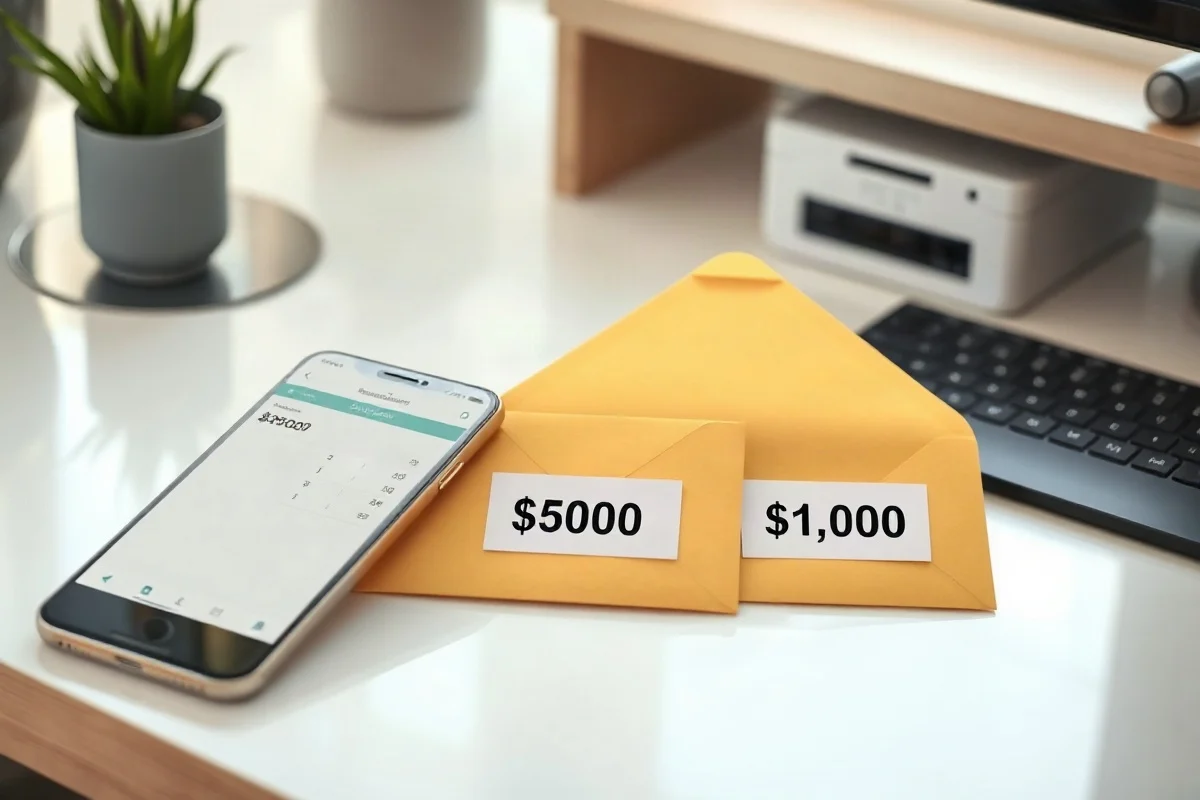
The amount of Bitcoin you get for $100, $500, or $1,000 depends on Bitcoin’s current market price and the fees charged by the platform you use. The basic calculation is simple: Bitcoin received = purchase amount ÷ Bitcoin price. For example, if Bitcoin were priced at $100,000, a $100 purchase would equal 0.001 BTC before fees, $500 would equal 0.005 BTC, and $1,000 would equal 0.01 BTC. Because Bitcoin’s price and transaction costs change, use the live price and the final order preview from your selected platform before completing a purchase.
The basic Bitcoin calculation
Bitcoin is divisible into small units, so you do not need to buy one whole bitcoin. The smallest unit is called a satoshi, and one bitcoin contains 100 million satoshis. This allows someone to purchase a small dollar amount even when the market price of one bitcoin is high.
To estimate how much BTC a dollar amount represents, divide the amount you plan to spend by the current Bitcoin price:
BTC amount = dollars invested ÷ Bitcoin price
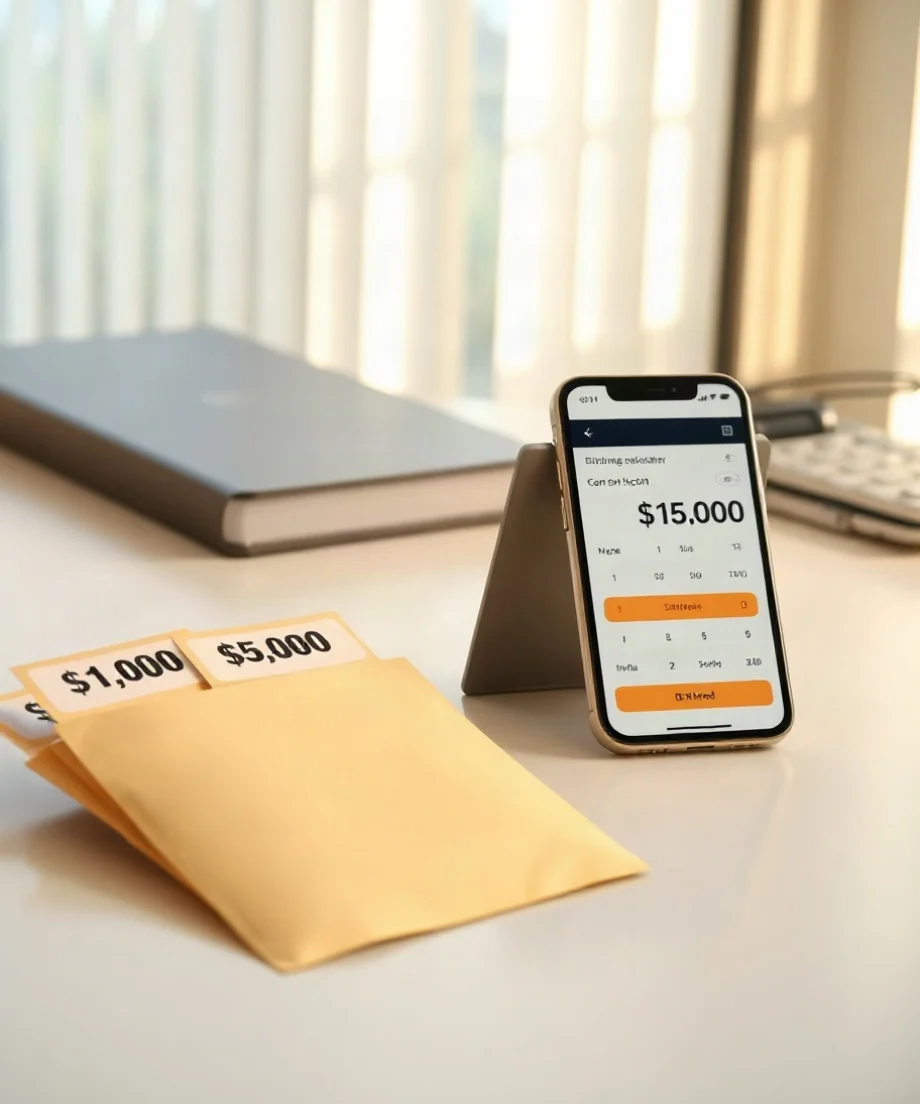
If you want to estimate the dollar value of a specific Bitcoin amount, reverse the formula:
Dollar value = BTC amount × Bitcoin price
These formulas provide a market-value estimate before trading fees, payment-processing charges, spreads, network costs, or other expenses. Your final received amount may be lower than the simple division suggests.
Illustrative examples for $100, $500, and $1,000
The following examples use a hypothetical Bitcoin price of $100,000. This is an educational assumption, not a current price claim or a forecast. Bitcoin prices can change continuously, so replace the example price with the current quote shown by your exchange, broker, or other service.

| Purchase amount | Hypothetical BTC price | BTC before fees | Satoshis before fees |
|---|---|---|---|
| $100 | $100,000 | 0.001 BTC | 100,000 sats |
| $500 | $100,000 | 0.005 BTC | 500,000 sats |
| $1,000 | $100,000 | 0.01 BTC | 1,000,000 sats |
For another illustration, suppose the hypothetical Bitcoin price were $50,000. A $100 purchase would equal 0.002 BTC before fees, $500 would equal 0.01 BTC, and $1,000 would equal 0.02 BTC. If the hypothetical price were $200,000, the same dollar amounts would buy half as much BTC: 0.0005 BTC, 0.0025 BTC, and 0.005 BTC, respectively.
The key point is that the dollar amount does not determine a fixed quantity of Bitcoin. The quantity changes whenever Bitcoin’s market price changes.
How fees affect the amount of Bitcoin you receive
Fees can make the final amount different from the result of the basic formula. A platform may display a trading fee, spread, payment fee, withdrawal fee, or network fee. These charges are not identical across services, account types, payment methods, or transaction types, and they can change over time. Check the provider’s current fee schedule and final confirmation screen rather than relying on a general estimate.
If a fee is deducted from the dollars available for the purchase, use this expanded formula:
BTC received = (dollars invested − dollar-denominated fees) ÷ execution price
If the platform applies a percentage fee, a simplified estimate is:
BTC received = dollars invested × (1 − fee rate) ÷ execution price
For example, assume a hypothetical $500 purchase, a Bitcoin execution price of $100,000, and a hypothetical 1% fee. The estimated amount available for the asset would be $495, producing approximately 0.00495 BTC before any separate withdrawal cost. This example is for explaining the math only. Actual pricing may also reflect a spread, and the final amount depends on the provider’s order details.
Some platforms include fees in the quoted price instead of showing a separate line item. Others may show an estimated amount of Bitcoin and update it when the order executes. Compare the total dollars paid with the exact BTC amount received, not just the advertised fee percentage.
Why the price shown can differ from the final price
A cryptocurrency price page typically shows a reference price, while an actual purchase uses an execution price. The two may differ because Bitcoin trades across many venues and prices move rapidly. The difference between the price you see and the price used for your order may also reflect the bid-ask spread, order type, available liquidity, and platform pricing method.
A market order generally prioritizes execution, while a limit order specifies a price condition but may not execute. The choices available depend on the service you use. Before confirming a purchase, review the order type, quoted price, fees, total cost, and estimated BTC amount.
For a quick conversion between dollars and BTC, you can use a محول العملات الرقمية. Treat any displayed result as an estimate until you confirm the live quote and transaction details with the service handling your purchase.
How much Bitcoin do you need to buy?
You do not need to buy a whole bitcoin. Most services support fractional purchases, although each provider may set its own minimum order size or rounding rules. A $100, $500, or $1,000 purchase can therefore be expressed as a fraction of BTC rather than a full coin.
Bitcoin balances are often displayed in BTC, but small balances may also be described in satoshis. Converting to satoshis can make small amounts easier to compare:
Satoshis = BTC amount × 100,000,000
For example, 0.001 BTC equals 100,000 satoshis. The satoshi conversion does not change the value; it only uses a smaller unit of measurement.
What could your Bitcoin be worth later?
The future dollar value of a Bitcoin purchase cannot be calculated with certainty. To model a possible future value, multiply the BTC amount by an assumed future price:
Estimated future value = BTC owned × assumed future Bitcoin price
Suppose a hypothetical purchase results in 0.005 BTC after fees. If Bitcoin later traded at a hypothetical $80,000, the calculation would be 0.005 × $80,000, or $400 before considering taxes, selling fees, spreads, or other costs. If the assumed future price were $120,000, the same BTC amount would equal $600 before those costs.
These are scenarios, not predictions. Bitcoin can rise or fall substantially, and a future price may be lower than the purchase price. A calculation that shows a possible gain does not establish that the gain will occur. It also does not account for the timing of a sale, taxes, platform costs, custody risks, or the possibility of losing access to assets.
Buying Bitcoin all at once versus over time
Some people invest a fixed dollar amount on a schedule instead of making one purchase. This approach is commonly called dollar-cost averaging, or DCA. Each purchase buys a different amount of BTC because the market price changes from one date to another.
A simplified DCA calculation adds all purchased BTC and divides the total dollars invested by the total BTC acquired:
Average cost per BTC = total dollars spent ÷ total BTC acquired
Fees should be included when evaluating the actual cost. DCA can reduce the importance of choosing one entry point, but it does not eliminate market risk, guarantee a profit, or protect against a prolonged decline. Use the Crypto DCA Calculator to examine hypothetical schedules with your own assumptions.
Important risks before buying
- Price volatility: Bitcoin’s market value can move quickly, sometimes in either direction.
- Fees and spreads: The amount received can be reduced by trading, payment, withdrawal, or network-related costs.
- Custody risk: Leaving assets with a third party creates reliance on that provider, while self-custody requires careful protection of private keys and recovery information.
- Operational mistakes: Sending Bitcoin to the wrong address or using an incompatible network can result in permanent loss.
- Regulatory and tax changes: Rules and reporting obligations can vary by jurisdiction and change over time. Verify current information with official government sources and a qualified tax professional.
- Liquidity and access: The ability to buy or sell at a desired price is not guaranteed, particularly during volatile markets or service interruptions.
For practical storage guidance, review our المحافظ والأمان resources. Never share a private key or recovery phrase, and be cautious of messages requesting urgent transfers or account credentials.
A practical checklist for calculating your purchase
- Check the current Bitcoin price on the platform where you plan to place the order.
- Confirm whether the displayed price is a reference price or the actual execution quote.
- Review trading fees, spreads, payment costs, and any withdrawal charge.
- Calculate the estimated BTC amount using dollars divided by price.
- Subtract applicable costs and compare the estimate with the final order preview.
- Save transaction records, including the dollar amount, BTC amount, fees, and execution time.
- Use only money you can afford to lose and avoid treating a hypothetical return as a financial plan.
In short, $100, $500, or $1,000 buys a changing fraction of Bitcoin rather than a fixed amount. Divide the dollars available for the asset by the current execution price, account for all stated costs, and verify the final quantity before confirming the transaction. For broader scenario analysis, the حاسبة أرباح العملات الرقمية can help you explore hypothetical entry prices, exit prices, and fees without presenting the result as a guaranteed outcome.


Comments
0No comments yet. Be the first to share a helpful note or question.
Leave a Comment
Your email address will not be published. Comments are reviewed before appearing on the site.