
The best crypto wallet is not automatically the most expensive, most popular, or most technically advanced option. Choose a wallet by matching its custody model, supported networks, recovery process, security features, and intended use to your own situation. A wallet for occasional long-term storage may need different controls than a wallet used for frequent trading, decentralized applications, or small everyday payments.
This guide explains how to compare wallets without relying on marketing claims. It is educational information, not personalized investment or security advice. Wallet software, supported assets, fees, and regulatory conditions can change, so verify current details on the wallet provider's official website and documentation before transferring funds.
Start With the Most Important Question: Who Controls the Keys?
Crypto wallets do not hold coins in the same way a physical wallet holds cash. Assets generally remain recorded on a blockchain, while the wallet manages the private keys or credentials used to authorize transactions. The first decision is therefore whether you want to control those keys yourself or use a service that controls them on your behalf.
Billeteras con autocustodia
With a self-custody wallet, you are responsible for the recovery phrase or private keys. This can provide more direct control, but it also transfers more responsibility to you. If the recovery information is lost, exposed, or destroyed, access to the associated assets may be difficult or impossible to restore. A wallet provider typically cannot reset a self-custody recovery phrase like a bank can reset an online password.
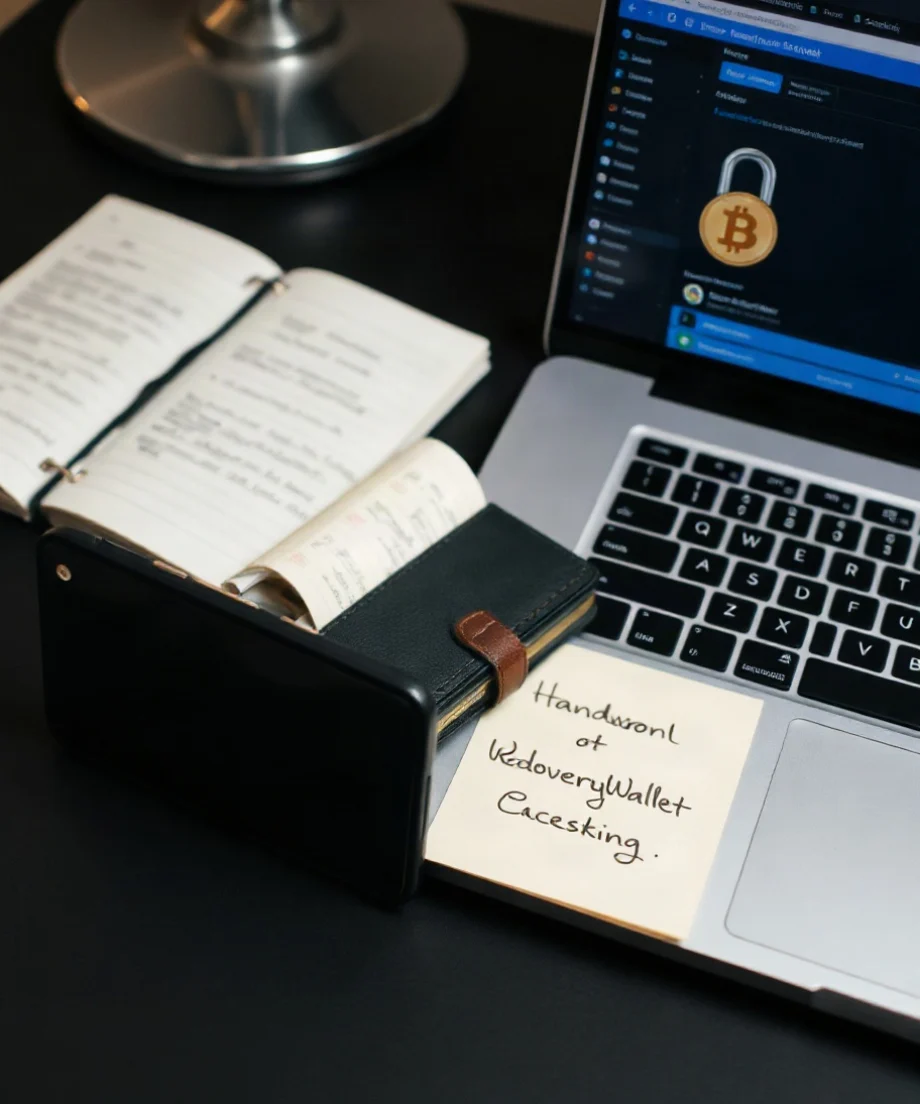
Self-custody options include mobile wallets, browser extensions, desktop applications, and hardware wallets. They can be useful for users who understand how recovery phrases, signing permissions, network selection, and transaction confirmation work.
Custodial wallets
A custodial wallet is usually provided by an exchange or other service that holds or manages the private keys. The service may offer account recovery, an easier interface, and integrated buying or selling features. However, you depend on that provider's security, policies, availability, identity checks, and withdrawal procedures. A custodial account is not the same as direct control of a blockchain address.
Before using a custodial service, review its current terms, withdrawal rules, asset support, security controls, and any applicable legal or regulatory disclosures. These details are time-sensitive and can differ by location and account type.
Match the Wallet to What You Plan to Do
There is no single wallet design that is ideal for every activity. Write down your intended use before comparing products. This simple step can prevent you from choosing a wallet based on features you will never use.
- Long-term storage: You may prioritize offline key management, durable backups, and limited exposure to websites or applications.
- Frequent transactions: You may value speed, a clear transaction history, address-book features, and easy fee selection.
- Decentralized applications: You may need browser or mobile compatibility, connection controls, and the ability to review signing requests.
- Multiple networks: You should confirm that the wallet supports the exact networks and token standards you use, not merely the asset's name.
- Small experimental balances: A separate wallet can limit the amount exposed while you learn how a new application works.
Separating purposes can improve security. For example, keeping long-term holdings in a wallet that rarely connects to applications may reduce the chance of approving a malicious contract. A separate transaction wallet can be used for routine activity. This does not remove risk, but it can limit the impact of one mistake.
Check Network and Asset Compatibility Carefully
One of the most common wallet mistakes is assuming that an asset name automatically identifies the correct network. The same token name may appear on multiple blockchains, and a wallet may support one version but not another. Sending assets through an unsupported network can create recovery problems.
Before sending funds, verify all of the following:
- The receiving wallet supports the asset.
- The receiving wallet supports the specific network selected for the transfer.
- The sending service supports withdrawals on that same network.
- The address format is appropriate for the selected network.
- A memo, tag, or other destination field is required, if applicable.
Do not rely only on a wallet's asset search box. Check the provider's current documentation and, when possible, confirm the network on the receiving screen. Network support is a technical feature that can change after an update, so verify it immediately before a significant transfer.
Compare Security Features, Not Just Brand Names
A wallet's security depends on its design and on how you use it. A reputable name does not protect you from entering a recovery phrase into a fake website or approving a harmful transaction. Compare the controls that address your specific risks.
Recovery phrase protection
A recovery phrase should be treated as a master key. Anyone who obtains it may be able to control the associated assets. Do not store it in a screenshot, email, cloud note, unencrypted document, or password manager unless you have deliberately assessed the security tradeoffs. Do not type it into a website, customer-support chat, or online form.
Write down the phrase accurately and store it where unauthorized people cannot access it and environmental damage is less likely. Avoid making unnecessary copies. A backup that is easy to find may also be easy for someone else to steal.
Hardware security
Hardware wallets are designed to keep signing keys in a dedicated device rather than exposing them directly to a general-purpose computer or phone. They can reduce certain online risks, but they do not make transactions automatically safe. A user can still approve the wrong address, sign a malicious message, lose the recovery backup, or purchase a tampered device.
Buy hardware devices through an official source or a channel recommended by the manufacturer. Follow the manufacturer's current setup instructions, check packaging and device authenticity features where available, and create the recovery backup during setup. Never accept a prewritten recovery phrase supplied by another person.
Authentication and account controls
For custodial services, evaluate account security separately from blockchain security. Look for strong password practices, multi-factor authentication, withdrawal controls, login alerts, device management, and clear account-recovery procedures. The exact controls differ by provider and may change, so review current settings rather than assuming they are enabled by default.
Understand Transaction Signing and Permissions
Connecting a wallet to a website does not necessarily transfer funds by itself, but signing a transaction or message can authorize an action. Some decentralized applications request token approvals that allow a contract to move assets under specified conditions. The wording and risks depend on the network and application.
Before approving anything, check the website address, the requested action, the destination, the asset, and the amount or permissions involved. Be cautious with urgent messages, giveaway claims, unsolicited support requests, and links sent through social media. A legitimate-looking interface can still connect to a malicious contract.
Consider using a dedicated wallet for applications and keeping valuable assets elsewhere. Periodically review and revoke unnecessary permissions using a reputable tool that supports the relevant network. Verify the tool's current documentation before acting, because permission systems and interfaces can change.
Evaluate Fees Without Assuming the Wallet Sets Them
Wallet software may display or estimate a transaction fee, but the underlying network generally determines the required fee structure. A wallet may add a service fee for certain features, such as swaps, purchases, or conversions. An exchange, payment provider, or application may also charge separate fees.
When comparing costs, separate these categories:
- Network fee: The amount associated with processing a transaction on the blockchain.
- Service fee: A charge from the wallet provider, exchange, or application.
- Spread: The difference between a quoted purchase or sale price and a reference market price.
- Withdrawal fee: A charge imposed by a custodial platform when assets leave an account.
Fees can vary with network conditions, transaction type, asset, service, and location. Do not compare wallets using an old fee screenshot or an advertised rate without checking the current disclosure. For a transaction-cost estimate, you can use the Calculadora de comisiones de criptomonedas, but treat any result as an estimate and confirm the final fee in the wallet or service before submitting.
Use a Simple Wallet-Selection Checklist
A written checklist can make the decision less emotional and easier to review. Score each candidate against the requirements that matter most to you:
- Custody: Who controls the keys, and are you comfortable with that responsibility?
- Compatibility: Does it support the exact assets and networks you intend to use?
- Recovery: Can you create, secure, and test the recovery process?
- Security: Does it offer the device, authentication, and transaction-review controls you need?
- Usability: Can you clearly verify addresses, networks, fees, and approvals?
- Transparency: Are the provider's documentation, support channels, and fee disclosures easy to find?
- Privacy: What information does the provider collect, and what data may be shared with third parties?
- Recovery risk: What happens if your phone, hardware device, password, or provider account becomes unavailable?
A wallet that scores well on convenience but poorly on recovery or compatibility may be a bad fit. Likewise, advanced security features are not helpful if they are so complicated that you repeatedly bypass them.
Test With a Small Transfer First
After selecting a wallet, install it from an official source and update the device or application before use. Record the recovery information according to the provider's instructions, then confirm that you understand how restoration works. Never test recovery by deleting a wallet unless you have a verified backup and understand the consequences.
When sending funds to a new address, begin with a small test amount that you can afford to lose. Confirm the recipient address and network character by character or by using a trusted address-verification method. Wait for the transaction to show the expected status before sending more. Blockchain transactions are often irreversible, so a test transfer can reveal a network mismatch or address error before the exposure becomes larger.
Recognize Common Wallet Scams
Scammers often imitate wallet providers, exchanges, hardware manufacturers, and customer-support agents. Common warning signs include requests for your recovery phrase, demands to pay a fee to unlock funds, promises of guaranteed returns, fake security alerts, and links that use lookalike domains.
Support staff should not need your recovery phrase. If someone contacts you unexpectedly, close the conversation and navigate to the provider's official website manually rather than using the supplied link. Search results and social media advertisements can also contain impersonation pages, so verify the domain carefully.
Review the Wallet as Your Needs Change
Choosing a wallet is not a one-time decision. Reassess it when you start using a new network, connect to decentralized applications, acquire a substantial balance, change devices, or stop using a service. Review backup locations, connected applications, account permissions, installed extensions, and withdrawal settings.
Also consider the value of the assets involved relative to the security process. A more complex setup may be reasonable for a larger balance, but complexity can create its own failure points. Your goal is not to eliminate every risk; it is to understand the risks and choose controls you can consistently follow.
Conclusión final
Choose a crypto wallet by starting with custody and intended use, then verify network compatibility, recovery procedures, security controls, fees, privacy, and support. Use official documentation, test with a small transfer, and treat your recovery phrase as highly sensitive information. If a wallet's features or risks are unclear, pause before depositing funds. A careful, understandable setup is generally more valuable than a product chosen because of popularity or marketing language.
Comments
0No comments yet. Be the first to share a helpful note or question.
Leave a Comment
Your email address will not be published. Comments are reviewed before appearing on the site.