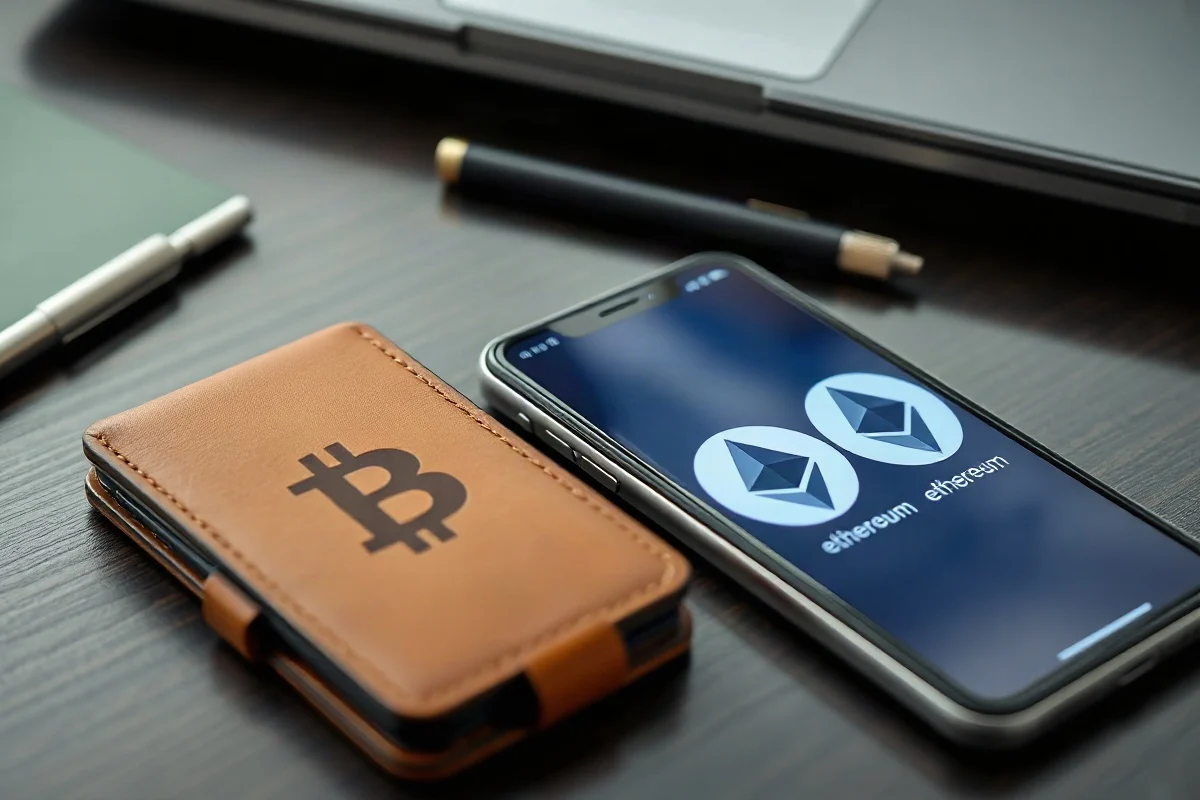
Yes, you can often keep Bitcoin and Ethereum in the same wallet application or hardware wallet, provided that the wallet explicitly supports both networks. However, “the same wallet” does not mean that Bitcoin and Ethereum use the same address, blockchain, transaction format, or recovery process. A compatible wallet generally gives you one interface for managing separate Bitcoin and Ethereum accounts, while the assets remain recorded on their respective networks.
What “the same wallet” actually means
In cryptocurrency, the word wallet can describe several different things. It may refer to a mobile app, a browser extension, a hardware device, an exchange account, or the private keys that control on-chain assets. These arrangements can work differently.
A self-custody wallet usually helps you control your own private keys or recovery phrase. A hardware wallet stores key material in a dedicated device and commonly connects to companion software. A custodial exchange account may display Bitcoin and Ethereum balances in one dashboard, but the exchange controls the underlying wallet infrastructure on your behalf. These options are not interchangeable, even when they show both assets on one screen.
For self-custody, a wallet must support the relevant Bitcoin network and Ethereum network separately. The wallet may use one recovery phrase to derive multiple accounts, but each account can have its own address and network-specific transaction process. Always verify support using the wallet provider’s current documentation rather than assuming that a familiar wallet supports every asset or network.
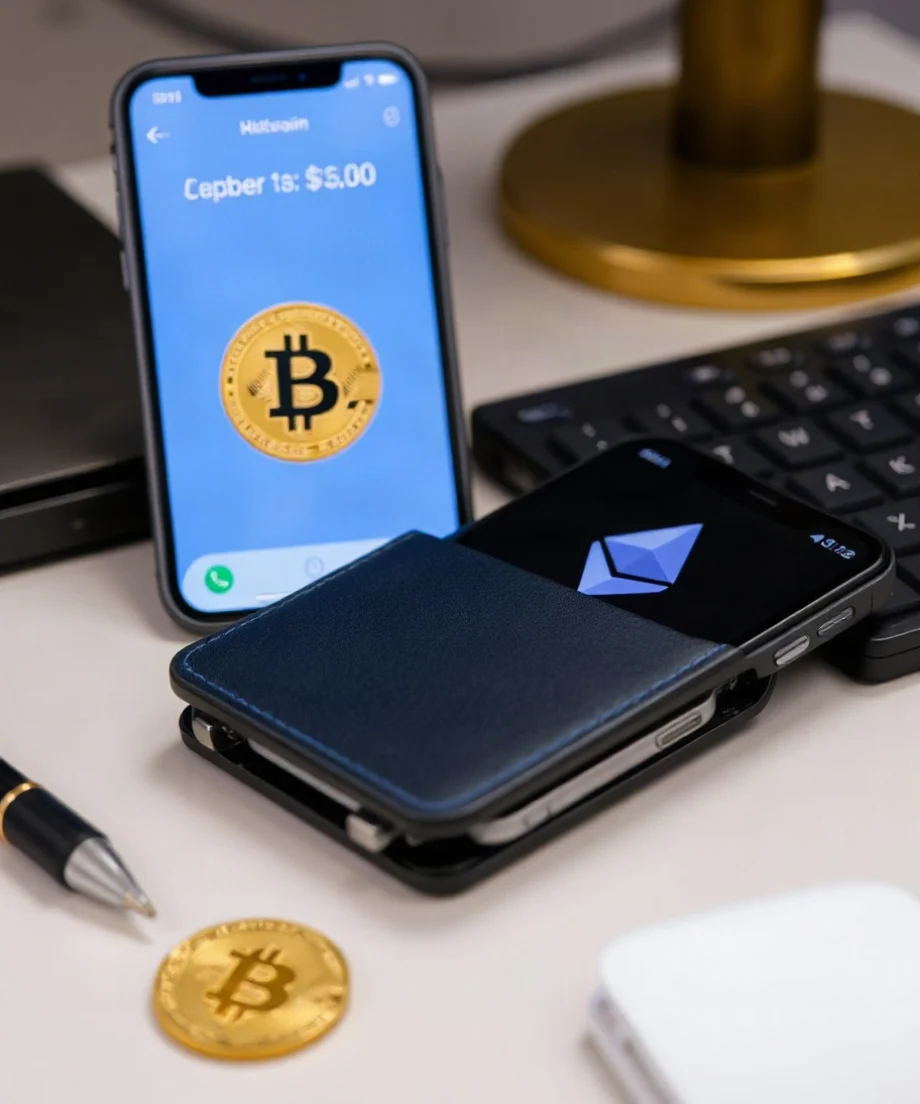
Bitcoin and Ethereum use different networks
Bitcoin and Ethereum are separate blockchain networks. Bitcoin transactions are confirmed through Bitcoin’s network, while Ethereum transactions are processed through Ethereum and its compatible networks. Because the systems use different rules, sending an asset to an incompatible address can create a serious recovery problem.
Bitcoin addresses and Ethereum addresses generally have different formats, but address appearance alone is not a complete safety check. Some wallets support multiple networks that can use similar-looking address formats. A token sent on the wrong network may not appear in the expected account, even if the destination text looks familiar. Network selection must therefore be checked at both ends of a transfer.
Ethereum also supports many tokens that use Ethereum-compatible standards. A wallet may display ETH and certain tokens in one Ethereum account, but that does not mean every token or every network is supported. A token with a similar name can exist on multiple chains, and a wallet interface may require the correct network to be selected before the balance is visible.
How a multi-asset wallet usually works
When a wallet supports Bitcoin and Ethereum, the application typically creates or imports separate accounts under one wallet profile. The recovery phrase may control both accounts, depending on the wallet’s design and the account types it uses. The Bitcoin account receives Bitcoin through a Bitcoin address, and the Ethereum account receives ETH or supported tokens through an Ethereum-compatible address.
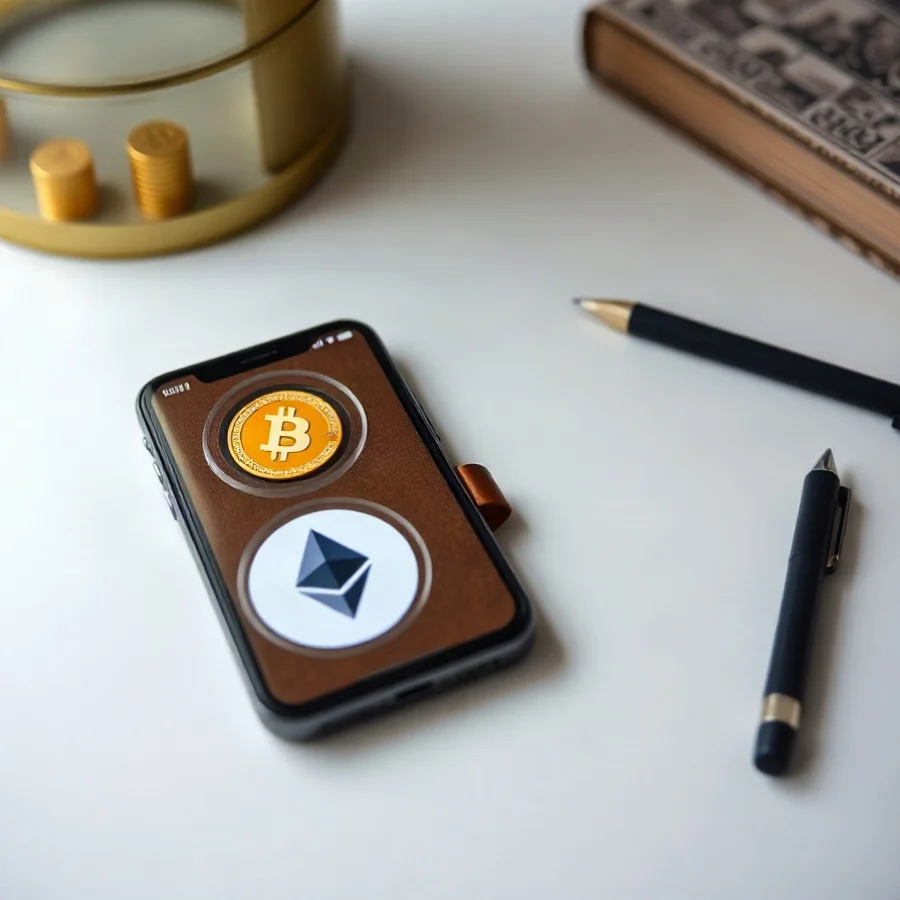
The user experience may look unified, but the underlying actions remain separate:
- Bitcoin is sent through the Bitcoin network.
- ETH is sent through the Ethereum network.
- Bitcoin transaction fees are paid according to Bitcoin’s transaction system.
- Ethereum transactions require the relevant Ethereum network fee, commonly paid in ETH on the main network.
- Transaction history, confirmation behavior, and network status can differ by asset.
The exact fee display, confirmation estimate, account structure, and supported networks can change with wallet software updates. Treat those details as time-sensitive and confirm them in the wallet’s current documentation before transferring funds.
Custodial accounts versus self-custody wallets
Custodial platforms
A cryptocurrency exchange may let you hold Bitcoin and Ethereum under one login. This can be convenient because the platform manages private keys, deposits, withdrawals, and much of the user interface. The tradeoff is that you depend on the platform’s security, withdrawal policies, account controls, and operational availability.
A balance shown in an exchange account may represent a claim recorded in the platform’s internal system rather than a transaction that has immediately occurred on a public blockchain. Withdrawal availability, minimums, supported networks, and fees are platform-specific and can change. Review the exchange’s current terms and withdrawal screen before relying on any quoted fee or processing estimate.
Dompet self-custody
With self-custody, you are responsible for protecting the private keys or recovery phrase. The wallet software does not necessarily hold your assets; it provides access to addresses whose balances are recorded on public networks. Losing the recovery phrase can mean losing access, while exposing it can allow another person to move the assets.
Self-custody also requires more attention to backups, device security, phishing, malicious approvals, and address verification. A hardware wallet can reduce some online exposure, but it does not eliminate the need to verify transactions or protect the recovery phrase.
How to send Bitcoin and Ethereum safely
Before sending either asset, use a deliberate verification process:
- Confirm the asset. Make sure you are sending BTC, ETH, or a specific token—not a similarly named asset.
- Confirm the network. Match the sending network with the receiving wallet’s supported network and deposit instructions.
- Copy the destination carefully. Use the wallet’s copy function when possible, then compare the first and last characters on the confirmation screen.
- Check the recipient’s instructions. Some custodial services require a memo, tag, or other identifier for certain assets. Do not assume every deposit needs one, but do not ignore one when the recipient requires it.
- Review the fee and amount. Confirm that the displayed network fee is separate from the amount you intend to deliver.
- Send a small test transaction when appropriate. A test can reduce operational risk, although it does not guarantee that every later transaction will be correct.
- Wait for confirmation. Blockchain transfers may not be reversible, and a wallet balance may update at a different time than an exchange or service credits the deposit.
Never enter a recovery phrase into a website, support chat, form, or unexpected pop-up. Legitimate support should not need your secret phrase or private key. Be especially cautious of search advertisements, direct messages, fake browser extensions, and urgent requests to “synchronize” or “validate” a wallet.
One recovery phrase does not mean one interchangeable address
A common misunderstanding is that one recovery phrase creates one universal address. In practice, wallet software may derive different accounts and address formats for different networks. The same phrase can potentially restore multiple account types in compatible software, but the visible accounts may depend on the wallet’s derivation method and supported standards.
If you restore a wallet and do not see the expected Bitcoin or Ethereum balance, do not immediately create random new wallets or import the phrase into unverified software. First confirm that you are using the official wallet application, the correct account type, and the correct network. If the wallet supports account discovery, follow its documented recovery procedure. A balance may also be held in a different account or address than the one currently displayed.
Tracking the value of a combined portfolio
A single wallet interface can make portfolio tracking easier, but the value of Bitcoin and Ethereum changes with market prices. A basic educational estimate can be expressed as:
Total portfolio value = (BTC amount × current BTC price) + (ETH amount × current ETH price) + the value of other supported assets
This formula assumes that the prices are quoted in the same currency and that you are ignoring fees, spreads, taxes, slippage, and any difference between a displayed reference price and the price available for an actual transaction. For example, if you hold 0.1 BTC and 2 ETH, you would multiply each quantity by its current market price and add the results. The numbers in this example are holdings for explaining the formula, not a prediction or investment recommendation.
For a more complete estimate, subtract expected selling or transfer costs:
Estimated net value = gross portfolio value − trading costs − withdrawal fees − other applicable costs
Fees and market prices are time-sensitive. Use current data from the relevant exchange, wallet, network explorer, or other primary source when making a real calculation. You can compare scenarios with the Kalkulator Profit Kripto, but calculator results depend on the prices, amounts, fees, and assumptions you enter.
Security tradeoffs of holding both assets together
Managing Bitcoin and Ethereum through one wallet can reduce the number of apps and recovery procedures you need to understand. It may also make portfolio monitoring more convenient. However, concentrating multiple assets under one recovery phrase creates a single point of failure: anyone who obtains that phrase may be able to access every supported account derived from it.
Consider whether your setup matches the amount and importance of the assets you hold. Some users separate long-term holdings from funds used for regular transactions. Others use a hardware wallet for savings and a smaller software wallet for everyday activity. There is no universally correct arrangement, and the best choice depends on your technical comfort, threat model, backup practices, and need for access.
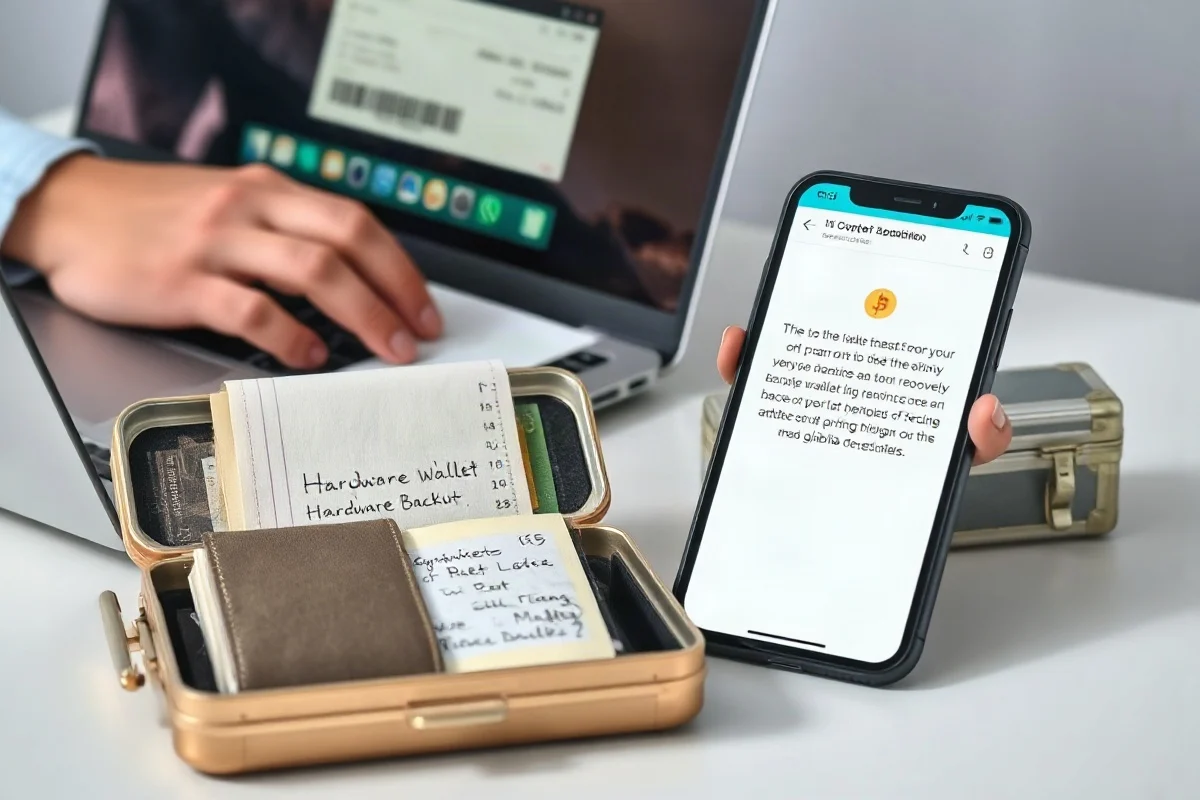
Keep backups offline, protect them from fire and water where practical, and avoid storing unencrypted copies in email, cloud notes, screenshots, or password managers unless you understand the security implications. Test your recovery plan with a low-value setup before relying on it for significant funds. Also confirm that trusted heirs or emergency contacts could understand the recovery process without receiving unnecessary access during your lifetime.
Questions to ask before choosing a wallet
- Does the wallet officially support Bitcoin and Ethereum, not just one of them?
- Does it support the exact network and token you intend to use?
- Who controls the private keys?
- Can you export or restore the wallet using a documented recovery method?
- How does the wallet display network fees and transaction details?
- Does it provide address verification or hardware-device confirmation?
- What happens if the wallet company’s app is unavailable?
- Are the wallet’s official download links and documentation easy to verify?
You can review broader wallet and account-safety topics in our Dompet & Keamanan section. If you are comparing purchase amounts over time rather than choosing a storage method, a Crypto DCA Calculator can help illustrate hypothetical contribution scenarios without predicting future results.
The practical answer
Bitcoin and Ethereum can be kept under one wallet application or hardware wallet when the product supports both networks. They should still be treated as separate assets with separate accounts, addresses, fees, and transaction rules. Before moving funds, verify the asset, network, destination, and fee on the wallet’s current confirmation screen. The convenience of one interface is useful, but it does not remove the responsibility to protect your recovery credentials or confirm every transfer.


Comments
0No comments yet. Be the first to share a helpful note or question.
Leave a Comment
Your email address will not be published. Comments are reviewed before appearing on the site.