How to Calculate ROI on a Crypto Investment
Learn how to calculate crypto ROI, account for fees and additional purchases, compare results over time, and interpret gains and losses without relying on unrealistic assumptions.
Crypto investing involves more than choosing a coin and hoping its price rises. It requires clear goals, careful calculations, and an understanding of how market movements affect both potential gains and losses. This category explains practical crypto investing concepts in plain English, helping you evaluate scenarios without treating uncertain outcomes as promises.
Learn how to set a crypto profit goal, compare returns, and understand the difference between percentage growth and actual dollar profit. A larger percentage gain does not always produce more profit when the starting amount is smaller, while a modest return on a larger position may have a greater dollar impact. Using a crypto profit calculator can make these comparisons easier by showing how entry price, exit price, investment amount, and position size work together.
Bu kategoriden ayrılmadan en uygun rehberi bulun.

Learn how to calculate crypto ROI, account for fees and additional purchases, compare results over time, and interpret gains and losses without relying on unrealistic assumptions.

DCA and lump-sum investing can produce different crypto results because purchase timing, price volatility, fees, and cash drag affect the average cost and final value.

Learn how to measure total crypto profit, account for fees and deposits, compare performance across assets, and maintain a reliable investment record.

A good crypto cost basis is not a universal price target. Learn how to calculate it, account for fees and transfers, and evaluate your position without relying on market timing.

Learn how to calculate the starting capital needed for a crypto profit target, account for fees and losses, and evaluate the risks behind any projected return.

Kripto portföy getirisini nasıl hesaplayacağınızı, ücretleri ve yatırılan tutarları nasıl hesaba katacağınızı, performansı adil biçimde nasıl karşılaştıracağınızı ve kârı yatırım tavsiyesiyle karıştırmadan sonuçları nasıl yorumlayacağınızı öğrenin.
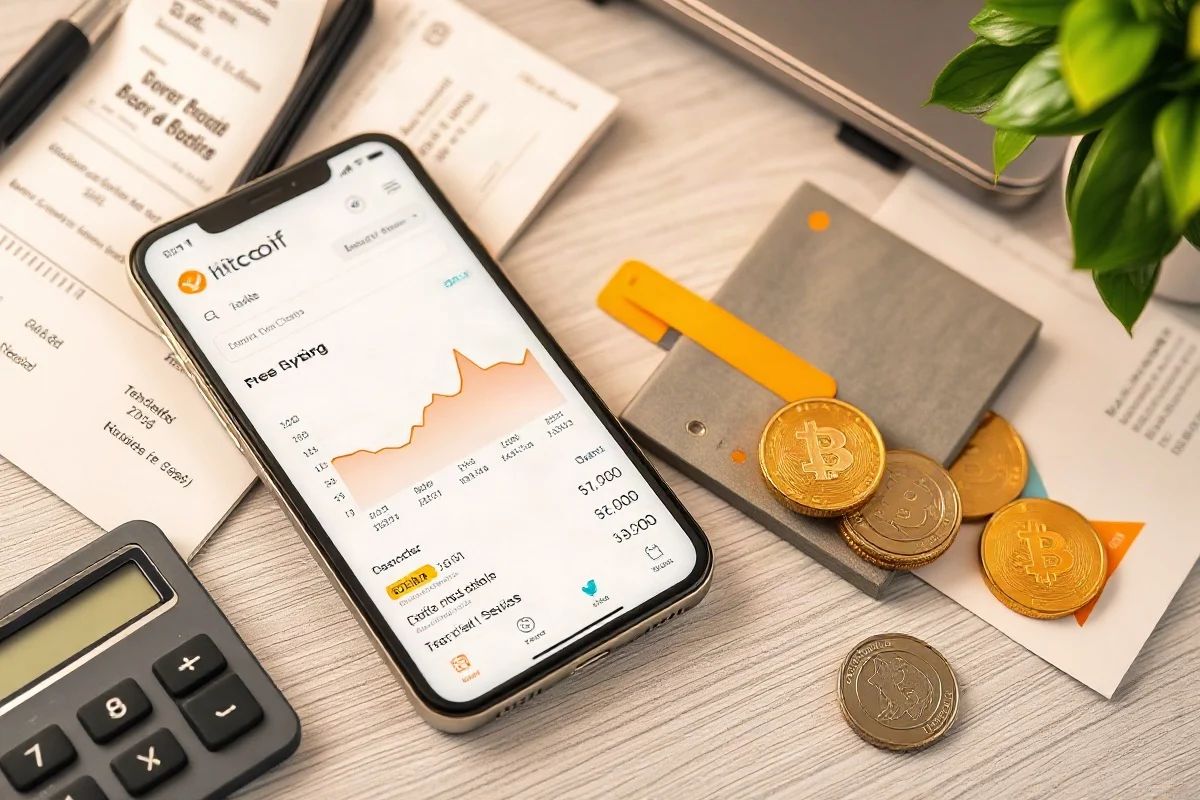
İşlem ücretleri, alış-satış farkları, ağ maliyetleri, çekim ücretleri ve vergiler gerçek kripto getirilerinizi azaltabilir. Karar vermeden önce net performansı nasıl hesaplayacağınızı öğrenin.

Yatırım yapmadan önce gerçekçi bir kripto kâr hedefi belirlemeyi, ücretleri ve vergileri hesaba katmayı, gerekli fiyatları hesaplamayı ve riski yönetmeyi öğrenin.

Başlangıç yatırımı daha küçük olduğunda, daha yüksek bir yüzde getirisi daha az para kazandırabilir. Pozisyon büyüklüğünün, ücretlerin, zararların ve bileşik getirinin kripto kârını nasıl etkilediğini öğrenin.

Learn how to compare crypto investments using total return, percentage ROI, annualized performance, fees, staking income, risk, and matching time periods.

Learn how to calculate partial crypto sales, remaining exposure, realized profit, fees, and break-even prices without relying on unrealistic return assumptions.

Market volatility can increase both potential crypto gains and losses. Learn how price swings, timing, fees, and position size affect profit calculations.
The articles also cover portfolio decisions that can influence your results, including average purchase price, position sizing, partial profit-taking, and break-even calculations. These tools are useful for testing hypothetical outcomes before making a decision. They can help you ask better questions, such as how much capital is exposed, what price would cover the initial investment, or how selling part of a position changes the remaining holdings.
Risk is a central part of crypto investing. Digital asset prices can move quickly, and historical performance or a calculator result cannot predict what will happen next. A projected return is only an estimate based on the numbers entered. It does not account for every real-world factor, such as slippage, transaction costs, taxes, liquidity, custody concerns, changing market conditions, or the possibility of losing some or all of the money invested.
Position sizing is another important consideration. Allocating too much to one asset can make a portfolio more vulnerable to a sharp move, while allocating too little may not match a specific objective. There is no universally correct percentage for every investor. Your time horizon, financial circumstances, tolerance for loss, and broader portfolio should all be considered independently of any calculator output.
Crypto investing can also involve different approaches, including one-time purchases, dollar-cost averaging, and taking partial profits at planned levels. Each approach has trade-offs. Dollar-cost averaging may reduce the importance of choosing one entry point, but it does not remove market risk. Selling portions of a position can help manage exposure, but it may also limit participation in a later price increase. Comparing these possibilities with consistent assumptions can clarify the decision without claiming to identify the best strategy.
Use the educational resources in this category to build a more disciplined process for analyzing crypto investments. Check your inputs, distinguish percentage returns from dollar results, and test conservative as well as optimistic scenarios. Consider liquidity, fees, taxes, security, and your ability to withstand losses before acting. The calculators and explanations are designed for learning and planning, not personalized financial, tax, or investment advice. Sound decisions require independent research and a realistic understanding of uncertainty.