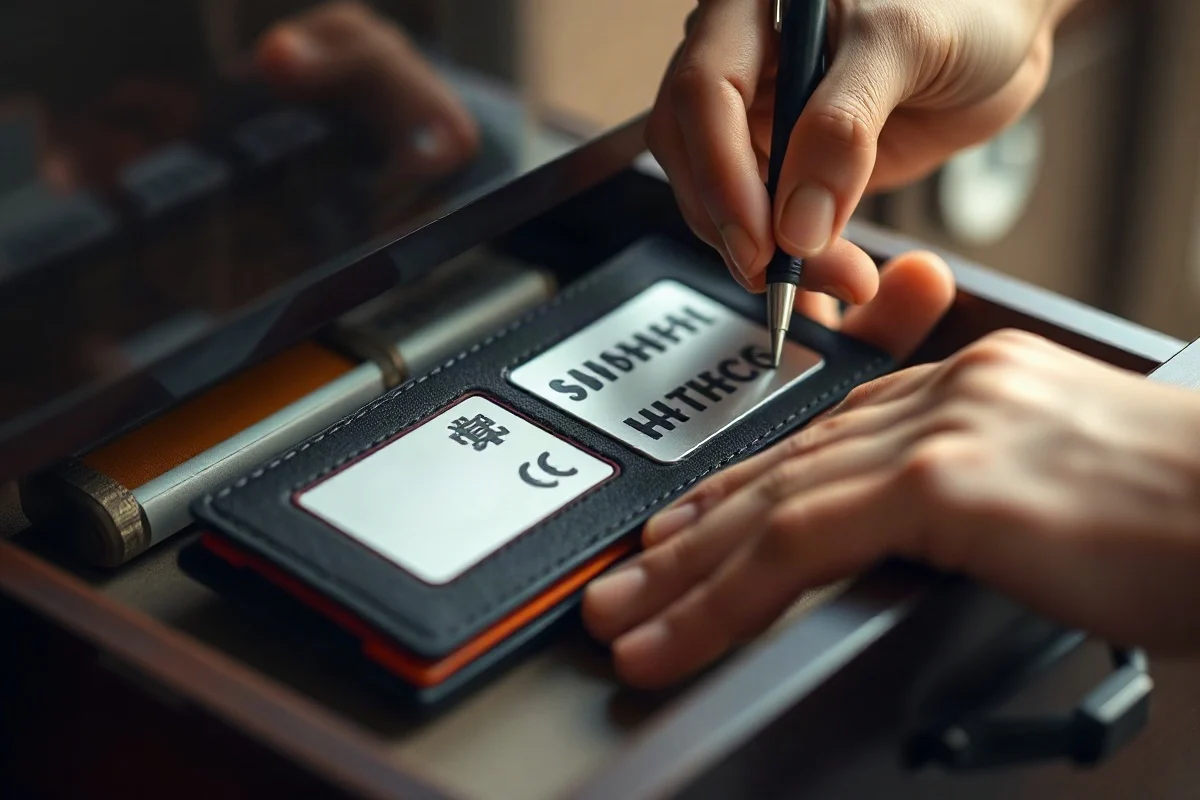
A recovery phrase is a sequence of words that can restore access to a cryptocurrency wallet and the assets controlled by that wallet. It is sometimes called a seed phrase, secret recovery phrase, or backup phrase. Anyone who obtains the phrase may be able to recreate the wallet on a compatible device, so it should be treated like the master key to your crypto—not like a password that can be reset through email.
Understanding this distinction is essential for anyone using a self-custody wallet. An exchange account, bank account, or email account may offer password recovery and customer support. A self-custody wallet generally does not work that way. If the device is lost, damaged, or erased, the recovery phrase may be the only practical way to restore access. If the phrase is exposed, a thief may be able to move funds without asking you for permission.
How a recovery phrase works
Most modern wallets use a standardized method to generate a human-readable list of words from cryptographic data. The phrase is not usually the wallet itself, and the words do not represent the wallet balance. Instead, the phrase helps a compatible wallet recreate the underlying keys used to control one or more blockchain addresses.
A wallet can derive multiple accounts and addresses from the same recovery phrase. This is why restoring a phrase may reveal several accounts rather than one address. The exact results depend on the wallet software, blockchain network, account type, derivation path, and other technical settings. If a restored wallet appears empty, that does not automatically prove the funds are gone. The wallet may need the correct network, account, address type, or derivation settings.
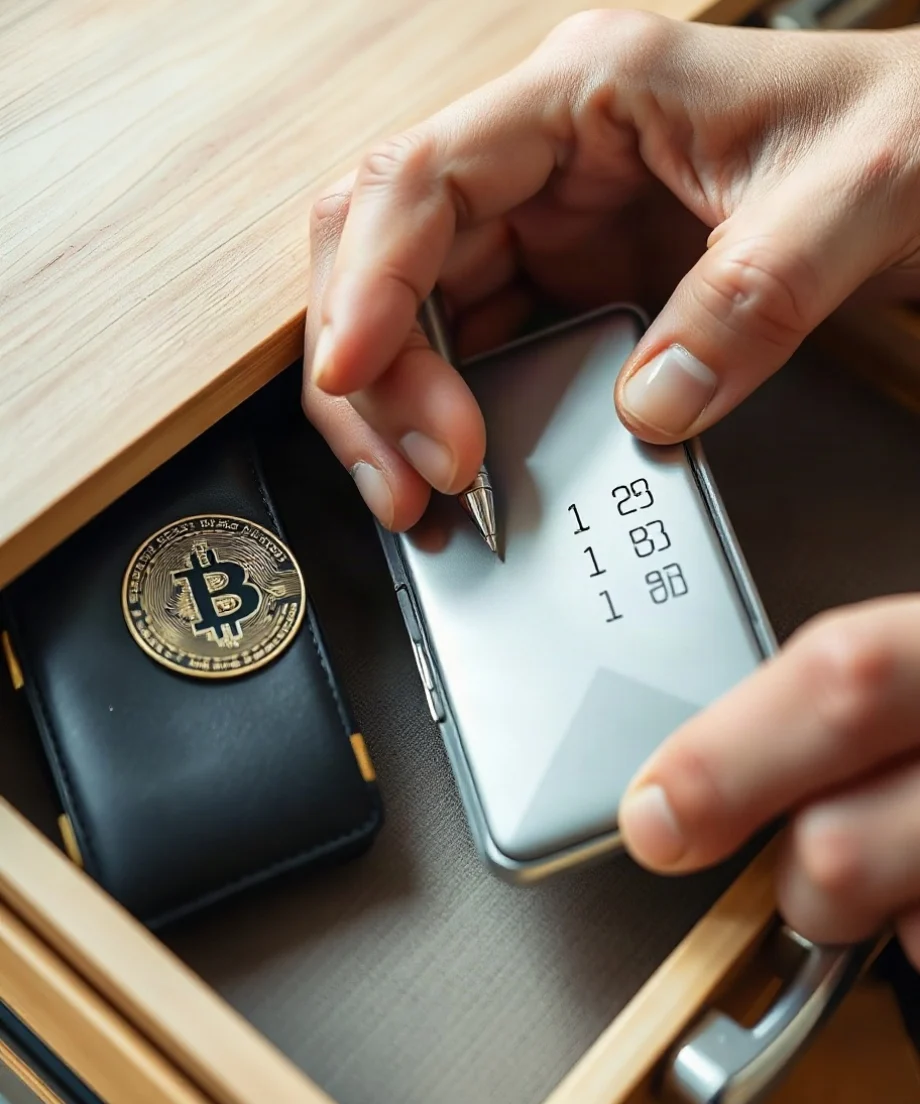
Recovery phrase versus private key
A private key is a cryptographic secret associated with a particular blockchain address or account. A recovery phrase is a broader backup that can generate a wallet's keys according to the wallet's design. In practical terms, the phrase may protect multiple accounts, while an individual private key may control a narrower part of the wallet.
Both are highly sensitive. However, sharing one private key may expose one account, while sharing a recovery phrase can expose every account derived from it. For that reason, never enter a recovery phrase into a website, online form, chat, cloud document, or unsolicited support message.
Why the phrase matters in self-custody
Self-custody means you control the wallet credentials rather than delegating custody to an exchange or another service. This can provide direct control over transactions, but it also transfers important responsibilities to you. A recovery phrase is central to those responsibilities because it supports both access and recovery.
- Device recovery: You may use the phrase to restore a wallet after losing a phone, computer, or hardware wallet.
- Protection from device failure: A damaged or malfunctioning device does not necessarily destroy the wallet if a secure backup exists.
- Wallet migration: A compatible wallet application may allow you to restore the same wallet on another device.
- Control without a central reset process: There may be no company that can reset the phrase or reverse an unauthorized blockchain transaction.
That control comes with risk. A recovery phrase is not a guarantee that funds can be recovered in every situation. The phrase must be accurate, available when needed, compatible with the wallet setup, and protected from theft. Blockchains also generally do not provide a chargeback process for transactions confirmed on the network.
What a recovery phrase is not
A recovery phrase is not the same as a wallet password, PIN, passcode, or two-factor authentication code. A wallet PIN may protect access to a particular device, but it usually cannot restore the wallet on a new device. A password may encrypt local wallet data, while the recovery phrase can recreate the wallet elsewhere.
It is also not a customer-service verification code. Legitimate wallet support should not need your complete phrase to diagnose a general problem. Anyone requesting the full phrase is asking for the most sensitive credential associated with the wallet. Treat that request as a major warning sign, even if the person claims to represent a wallet provider, exchange, project, or security team.
How to create and record a recovery phrase safely
When setting up a new wallet, follow the manufacturer's or software provider's official instructions. Download wallet software only from a source you have independently verified, and check the publisher, domain, and device compatibility. Fake wallet applications are a common way for attackers to collect recovery phrases.
Write the words carefully
Record the words in the exact order shown by the wallet. Spelling, order, capitalization rules, and spacing can matter depending on the wallet standard and restoration process. Do not rely on memory alone. A single missing or incorrect word may produce a different wallet, which can appear empty.
Some wallets use an additional passphrase sometimes called a “25th word.” This feature is separate from the standard recovery phrase and may create a different wallet when entered incorrectly or omitted. Because implementation details vary, read the wallet's official documentation before using an additional passphrase. Losing it can make the associated wallet inaccessible even when the main phrase is available.
Prefer offline storage
For many users, writing the phrase on paper and storing it in a protected location is safer than placing it in a photo gallery, notes app, email account, messaging service, or cloud drive. Digital copies can be exposed through malware, account compromise, automatic backups, screenshots, or synchronized devices.
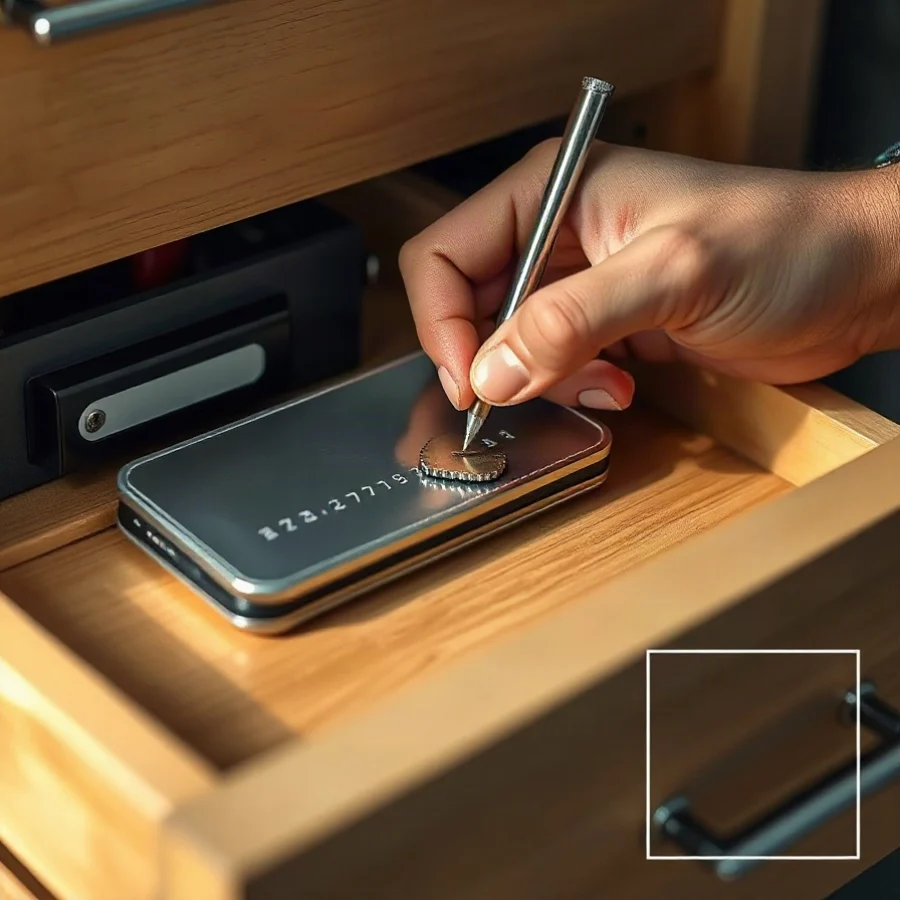
Paper can be damaged by water, fire, fading, or simple loss. Some users choose a durable metal backup designed for seed storage, but the product itself does not eliminate the need for careful access control. Consider the physical threats relevant to your situation and keep the backup somewhere that is both secure and retrievable when needed.
Limit who can access it
Do not show the phrase to friends, family members, contractors, online contacts, or supposed support agents unless you have deliberately accepted the risks of shared custody. Avoid storing it where visitors, roommates, cameras, or unauthorized employees could see it. A secure backup that is publicly accessible is not secure.
Common recovery-phrase scams
Scammers often create urgency. They may claim that your wallet is frozen, your account needs verification, your assets are at risk, or a reward requires a wallet import. The proposed solution is often a link or form asking for the recovery phrase. This is a theft attempt in many cases.
Other scams include fake browser extensions, counterfeit hardware wallets, malicious mobile applications, and search advertisements that imitate official wallet websites. A customer-support impersonator may contact you after seeing a public post about a wallet problem. The safest response is to stop communicating, avoid the provided link, and use contact information obtained independently from the official documentation.
Never type a recovery phrase into a website merely to “check” it. Never paste it into a command-line tool or an online wallet unless you fully understand the security implications and have independently verified the software. If a phrase has been entered into an internet-connected device, assume it may be compromised and move funds to a newly created wallet using a fresh phrase, if doing so is technically and operationally safe.
What to do if a phrase may be exposed
Act quickly, but avoid panic-driven mistakes. If you believe someone has seen, photographed, copied, or entered the phrase, treat the wallet as compromised. Create a new wallet using a trusted, verified setup and a new recovery phrase. Then review the assets, networks, transaction fees, and destination addresses carefully before transferring funds.
Do not use the potentially exposed phrase to create the replacement wallet. Do not send the replacement phrase to anyone helping you. If the wallet contains substantial value or complex assets, consider consulting a qualified security professional who can explain the process without requesting your secret credentials.
Before moving assets, confirm that the receiving address belongs to the new wallet and that the network is compatible. Crypto transactions can be irreversible, and network fees and processing conditions can change. For educational help understanding transaction costs, you can review the Crypto Fee Calculator, but always confirm the current fee information in the wallet and network interface you are using.
Testing a backup without exposing it
A backup is useful only if it can restore the correct wallet. Some users verify a backup by restoring it on a separate trusted device or in a carefully controlled environment. If you do this, avoid cameras, screen-sharing tools, remote-access software, and unnecessary internet exposure. Follow the wallet provider's official recovery instructions rather than experimenting with unfamiliar applications.
After restoration, check the expected accounts and addresses without revealing the phrase. A small test transaction may help confirm that the restored wallet functions as expected, but any transaction involves network conditions, possible fees, and the risk of entering an incorrect address. A test is optional and should not be treated as proof that every possible account or asset has been restored.
Recovery phrases and hardware wallets
Hardware wallets are designed to keep private keys separated from ordinary computer and phone activity. They can reduce certain online attack risks, but they do not make the recovery phrase safe to share. The phrase is still the backup that may restore the wallet on compatible hardware or software.
Purchase hardware devices through an official source or a channel that you can verify. Inspect the device and packaging according to the manufacturer's guidance, but remember that physical appearance alone cannot prove authenticity. Initialize the device yourself when possible, and do not use a phrase supplied by a seller or another person. A legitimate setup normally generates or guides you through recording your own backup.
How recovery phrases fit into a broader security plan
Good wallet security involves more than hiding a list of words. Keep devices updated, use strong device protection, enable suitable security features, and separate everyday spending from long-term holdings when practical. Review permissions for decentralized applications and be cautious when signing messages or transactions you do not understand.
It can also help to document non-secret information, such as which wallet application you used, which networks were involved, and where you stored the backup. Do not write the recovery phrase in that document. The goal is to help your future self understand the setup without creating a single file that reveals everything an attacker would need.
For additional wallet education, explore Wallets & Security and our Beginners resources. If you use crypto calculations for planning, remember that calculator results are educational estimates based on the inputs you provide; they do not predict prices, returns, fees, or losses.
Key lessons to remember
- A recovery phrase can restore a wallet and may control multiple accounts.
- Anyone who has the phrase may be able to access the associated funds.
- Store it offline, accurately, and in a location protected from both theft and physical damage.
- Never share it with support agents, websites, apps, or online contacts.
- If it may be exposed, create a new wallet and consider moving assets promptly and carefully.
- Verify wallet instructions through current primary sources because software features and recovery procedures can change.
Self-custody can provide meaningful control, but that control includes responsibility for backup security, transaction decisions, and access management. A recovery phrase is the foundation of that responsibility. Protect it as the most sensitive credential in your wallet setup, and treat every request for it as a potential security event.



Comments
0No comments yet. Be the first to share a helpful note or question.
Leave a Comment
Your email address will not be published. Comments are reviewed before appearing on the site.