How to Calculate Profit on an Altcoin Trade
Learn how to calculate an altcoin trade’s gross and net profit, account for fees and slippage, measure ROI, and evaluate losses using clear formulas and examples.
Altcoins are cryptocurrencies other than Bitcoin, ranging from established blockchain projects to newer tokens with specialized goals, technologies, and market dynamics. Understanding how to evaluate altcoin performance requires more than watching a quoted price. Investors and learners often need to compare an entry price with a potential exit price, measure percentage returns, estimate the effect of recurring purchases, and account for trading costs. This category provides educational guidance and practical context for using crypto profit calculators when analyzing altcoin scenarios.
An altcoin profit calculation usually begins with the amount invested, the purchase price, and the price at which the asset may be sold. A calculator can then estimate the number of coins acquired, the potential value of a position, and the difference between the initial amount and the final value. Percentage gain and loss can make results easier to compare across different investments, but they should always be considered alongside the original position size and the assumptions used in the calculation.
Find the closest guide without leaving this category.

Learn how to calculate an altcoin trade’s gross and net profit, account for fees and slippage, measure ROI, and evaluate losses using clear formulas and examples.
Learn how an altcoin doubling affects your portfolio value, profit, ROI, fees, taxes, market cap, and risk—with clear formulas and practical examples.

Learn how to calculate an altcoin’s average buy price, account for fees, track multiple purchases, and use the result without confusing it with profit.
Learn how to calculate an altcoin’s break-even price by including purchase cost, fees, additional buys, and potential selling costs.
Learn how purchase price, position size, fees, and additional buys affect your average cost and break-even price when buying the same altcoin over time.

Learn how to calculate the future value, profit, and return on a $500 Solana purchase using any target price without relying on unverified market forecasts.
Learn how to calculate XRP profit or loss using purchase cost, sale value, fees, and a clear hypothetical example.
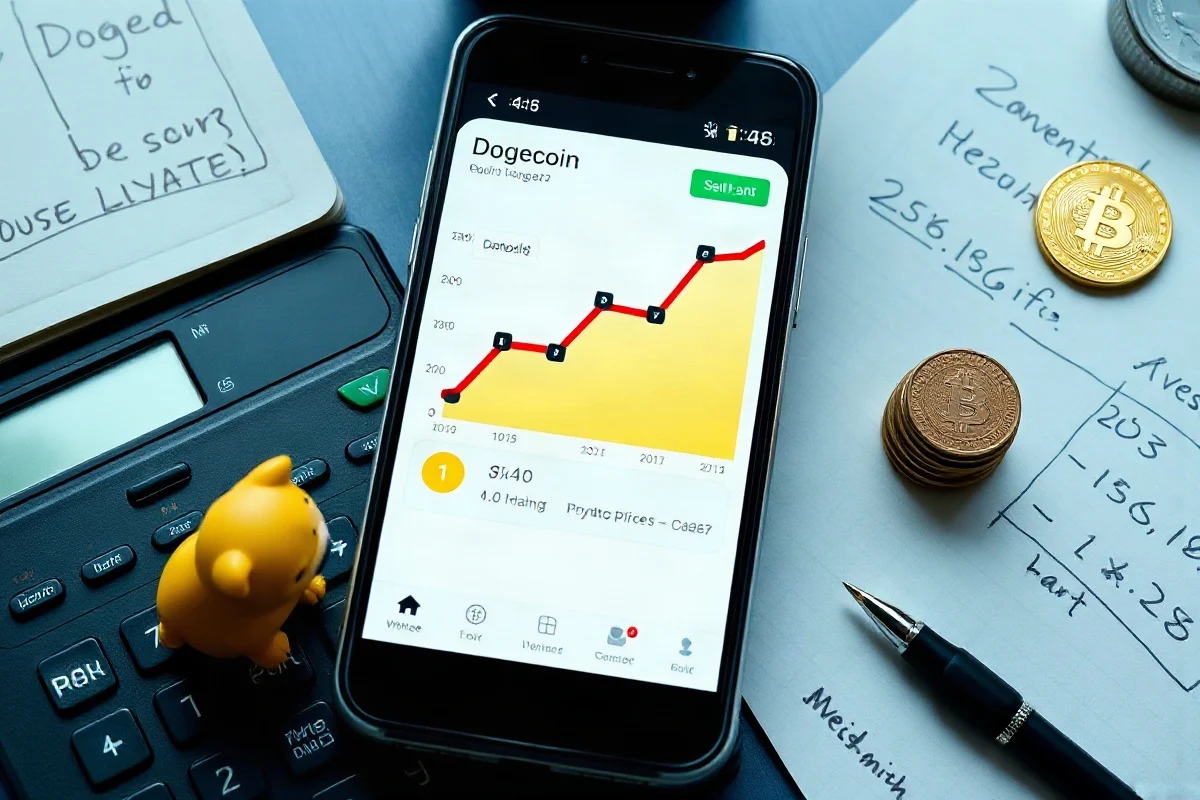
Learn how to model Dogecoin price targets, calculate potential gains, account for costs, and evaluate the risks behind different DOGE scenarios.
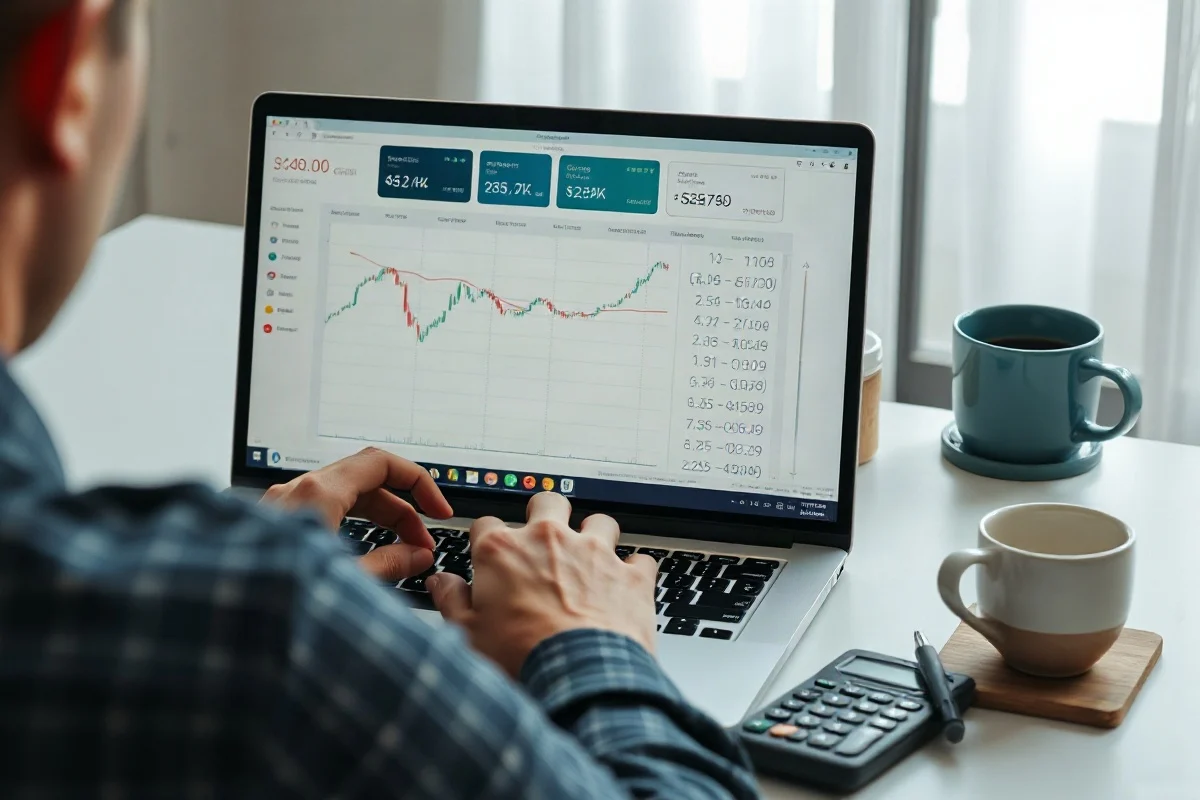
Learn how to calculate altcoin profit and loss from entry to exit, account for fees and dilution, and interpret returns without confusing market movement with guaranteed results.

A 50% loss requires a 100% gain to return to the starting value. Learn the recovery formula, see practical examples, and understand why percentage losses become harder to recover from.

Learn how to estimate an altcoin sale's potential profit or loss by accounting for entry cost, sale price, trading fees, slippage, and taxes.
Learn how realized and unrealized profit differ, how to calculate each, and why fees, cost basis, volatility, and recordkeeping matter when evaluating altcoin investments.
Dollar-cost averaging, commonly called DCA, is another useful concept for altcoin analysis. Instead of making one purchase, a person may spread purchases across multiple dates and prices. This changes the average cost basis and can affect the price an asset needs to reach for the position to break even or produce a target return. DCA calculators are useful for exploring hypothetical schedules, comparing different contribution amounts, and seeing how purchase timing influences the overall position.
A realistic altcoin return estimate should distinguish between unrealized and realized profit. Unrealized profit or loss describes what a position is worth based on a current or hypothetical price, while realized profit or loss reflects a completed sale. The distinction matters because a displayed gain is not necessarily a completed result. Calculations may also need to account for trading fees, spread, and other transaction costs, which can reduce the amount received when an altcoin is sold.
Loss recovery is an important part of understanding percentage changes. A decline and a gain of the same percentage do not cancel each other out because the second percentage is applied to a different base. For example, recovering from a substantial loss requires a larger percentage increase than the original decline. Exploring this relationship with a calculator can help clarify break-even targets and discourage overly simple assumptions about how quickly a position can recover.
When comparing altcoins, consider the quality of the inputs rather than treating a calculator result as a prediction. Check whether the purchase price, sale price, investment amount, number of purchases, and fee assumptions are accurate for the scenario being explored. Market prices can change quickly, and a calculation based on a selected target price does not indicate that the target will occur. Results also do not capture every risk, including volatility, liquidity conditions, execution differences, or the possibility of losing some or all of the amount invested.
The articles collected here cover practical questions about altcoin returns, average cost, profit targets, break-even prices, and the difference between paper gains and completed outcomes. They are designed to help readers interpret calculator outputs and understand the underlying math instead of relying on a single headline percentage. Whether you are reviewing one purchase or modeling a series of contributions, clear assumptions make the analysis easier to evaluate and update.
Use these educational resources to test multiple scenarios and compare conservative, neutral, and optimistic assumptions without treating any estimate as financial advice. A calculator can explain what would happen if specific inputs were reached, but it cannot determine the future performance of an altcoin or account for every personal circumstance. Reviewing the math, keeping records of transactions, and separating hypothetical results from actual outcomes can support more informed cryptocurrency research.