Hot Wallet vs. Cold Wallet: What’s the Difference?
Hot wallets keep crypto connected for convenience, while cold wallets store keys offline for stronger protection against online threats. Learn how each works and how to choose.
Wallets and security are central to understanding how crypto is stored, accessed, and transferred. Unlike a traditional bank account, crypto ownership depends on control of private keys or other credentials that authorize transactions on a blockchain. Choosing the right wallet setup means considering convenience, device security, recovery options, transaction habits, and the level of personal responsibility you are prepared to manage. This category explains the practical foundations of crypto wallet security in clear, accessible language.
A crypto wallet does not usually hold coins in the same way a physical wallet holds cash. It stores or manages the credentials used to access assets recorded on a blockchain. Understanding the difference between a public wallet address, a private key, and a recovery phrase can help you avoid common mistakes. It is also important to recognize that a wallet address is meant to be shared for receiving funds, while sensitive recovery information should remain private and protected from unauthorized access.
Find the closest guide without leaving this category.
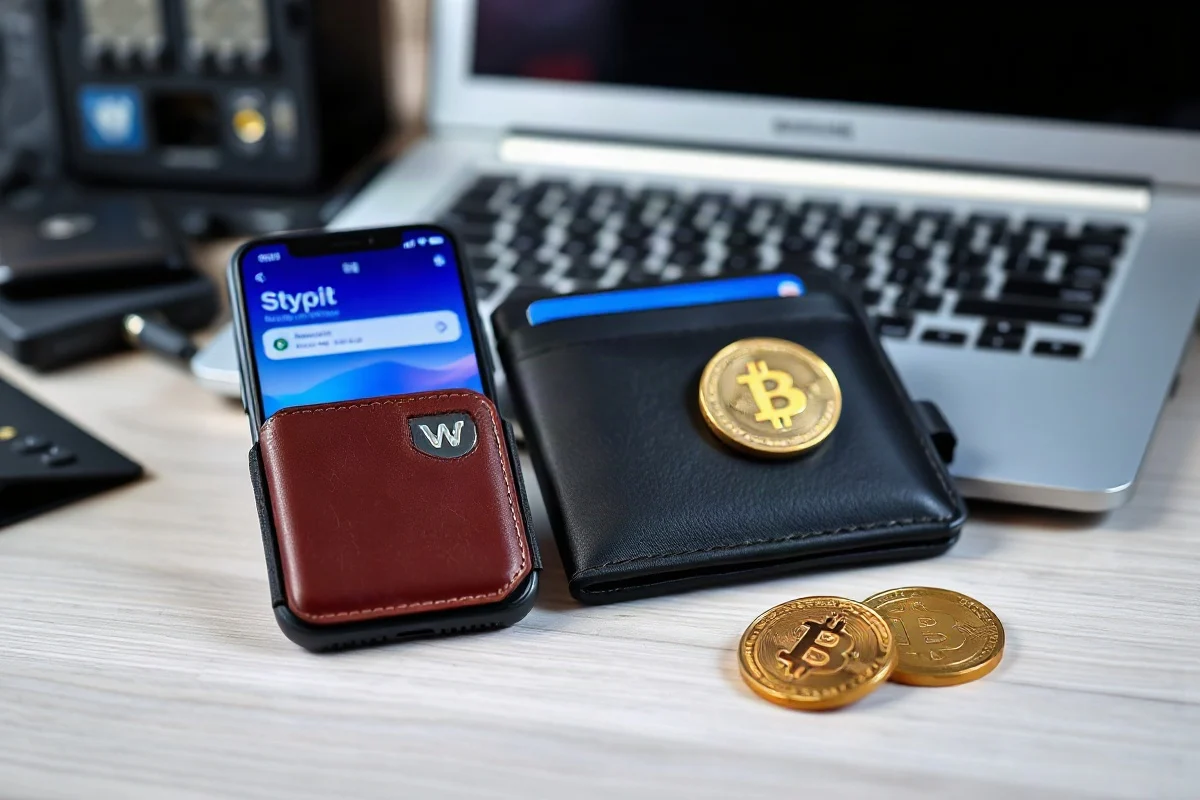
Hot wallets keep crypto connected for convenience, while cold wallets store keys offline for stronger protection against online threats. Learn how each works and how to choose.
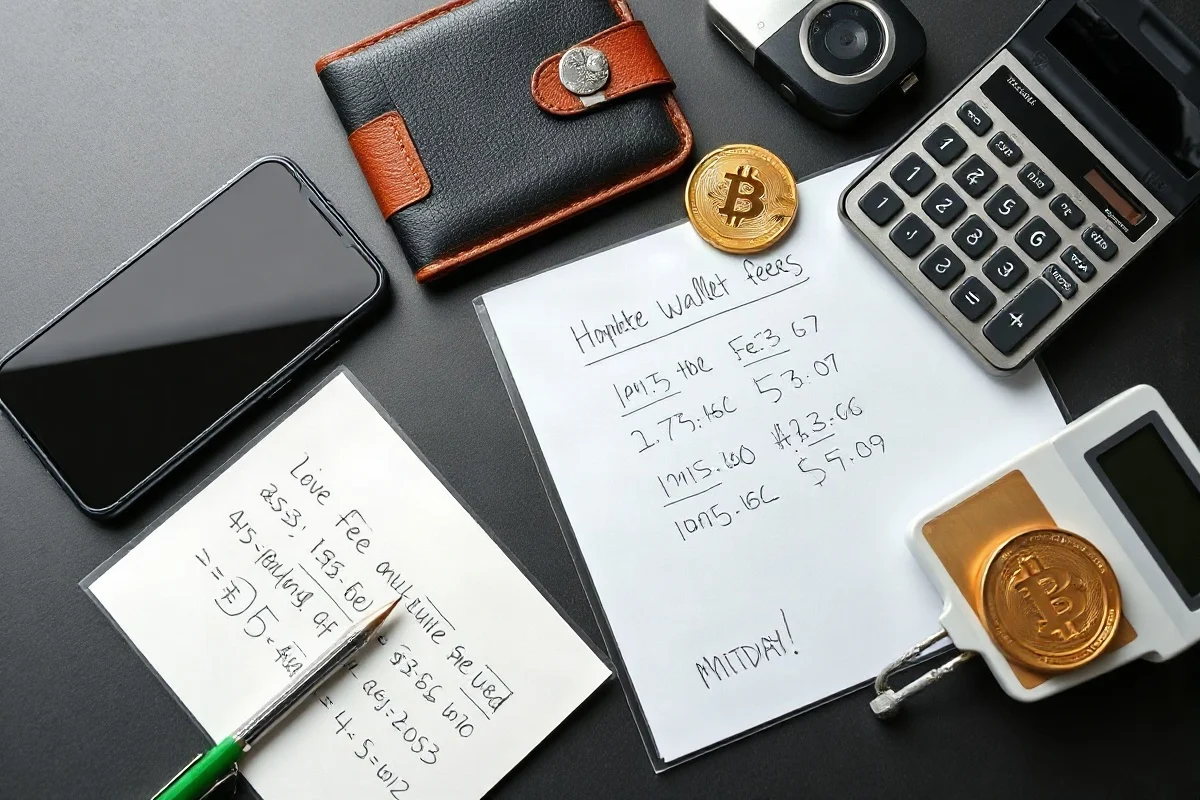
Wallet fees can reduce your effective crypto return, especially when transactions are small or frequent. Learn how to calculate the impact and compare costs safely.
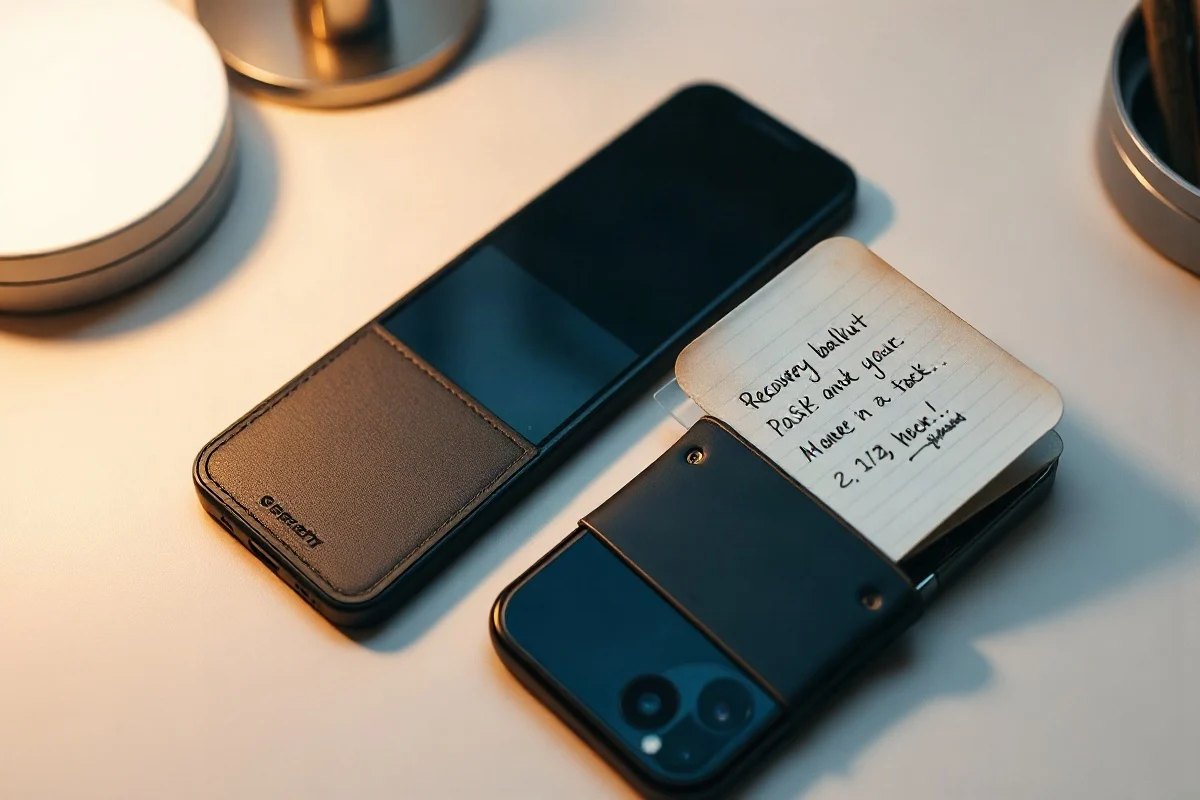
Hardware wallets keep private keys offline, helping first-time crypto owners reduce exposure to online threats. Learn how they work, how to set one up, and which mistakes to avoid.
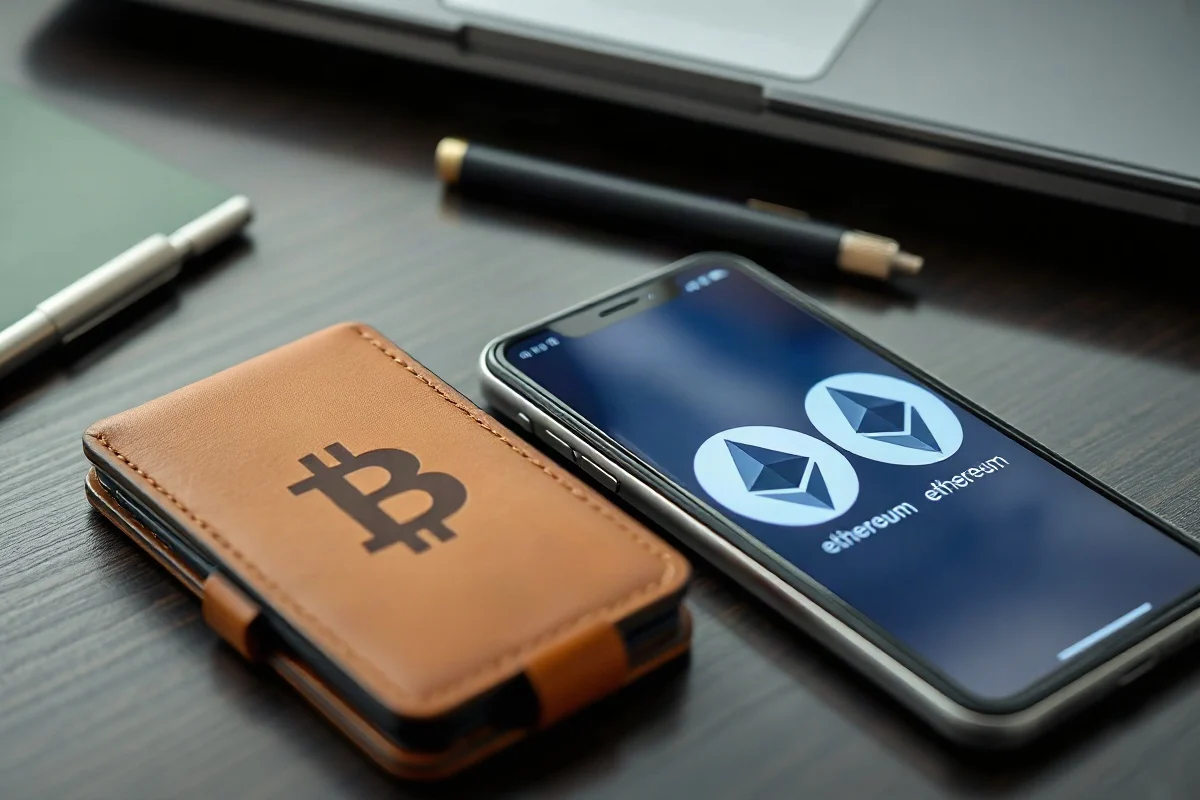
Bitcoin and Ethereum can often be managed through the same wallet interface, but they remain separate networks with different addresses, transaction rules, and security considerations.

Moving cryptocurrency between wallets can reduce your realized profit because network fees, platform charges, price changes, and tax-record complications may lower your net result.

Learn how to compare crypto wallets by custody, security, network support, recovery options, fees, and everyday usability before moving funds.
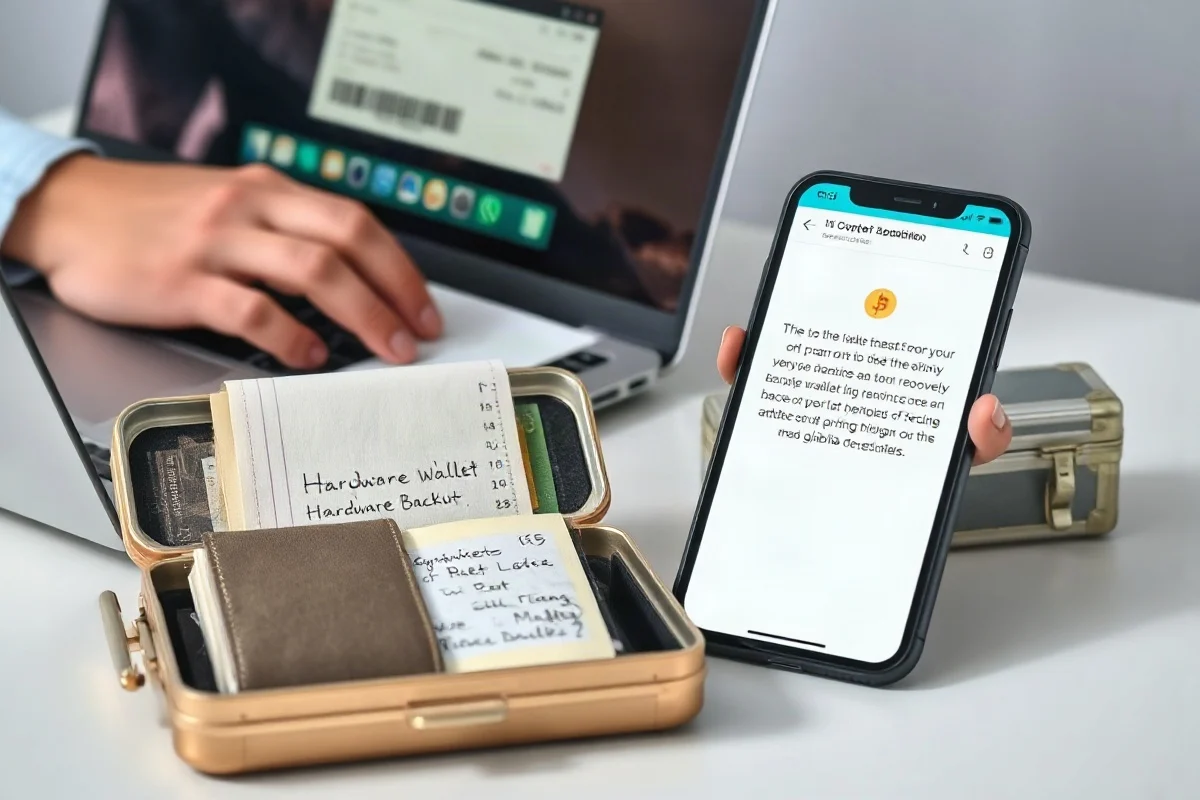
Learn how to avoid common crypto wallet security mistakes, protect recovery phrases and private keys, recognize scams, and build safer transaction habits.
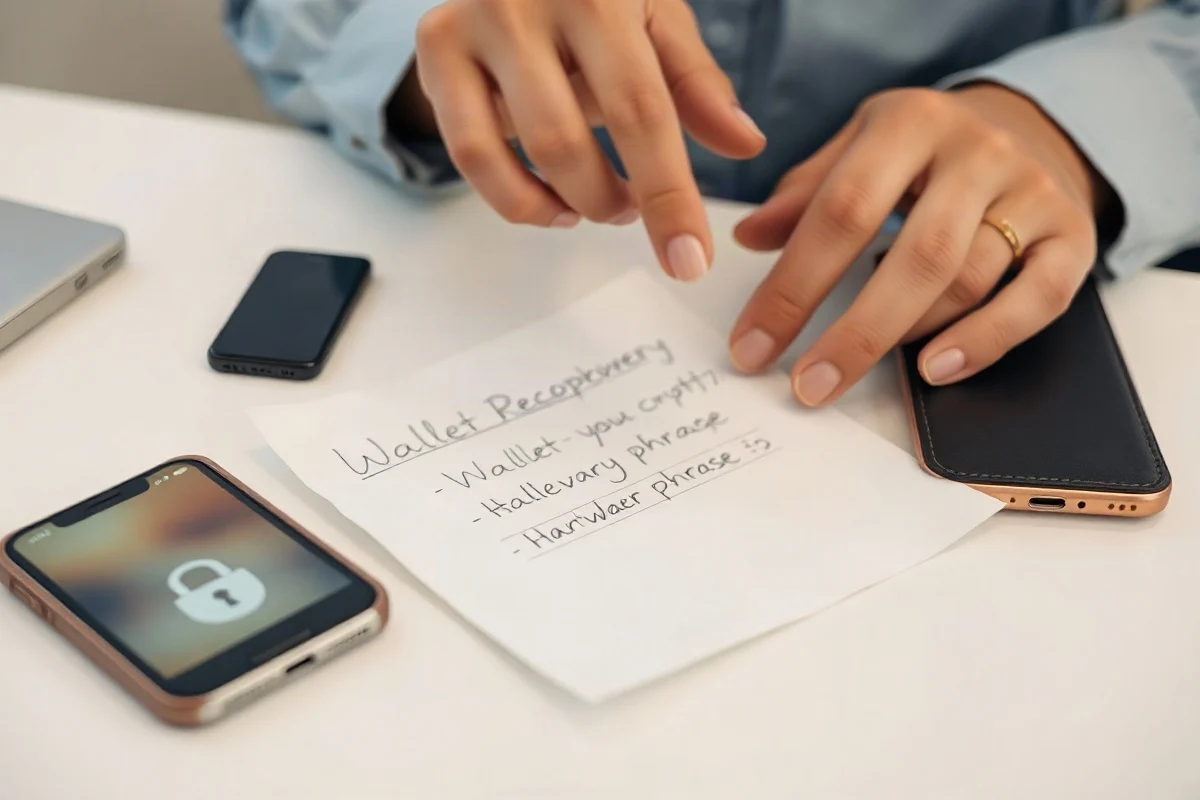
Losing a crypto seed phrase can permanently block access to self-custodied funds. Learn what may still be recoverable, what steps to take, and how to avoid scams.

Strong wallet security helps protect access to your crypto, reduce avoidable losses, and preserve accurate records for future planning.
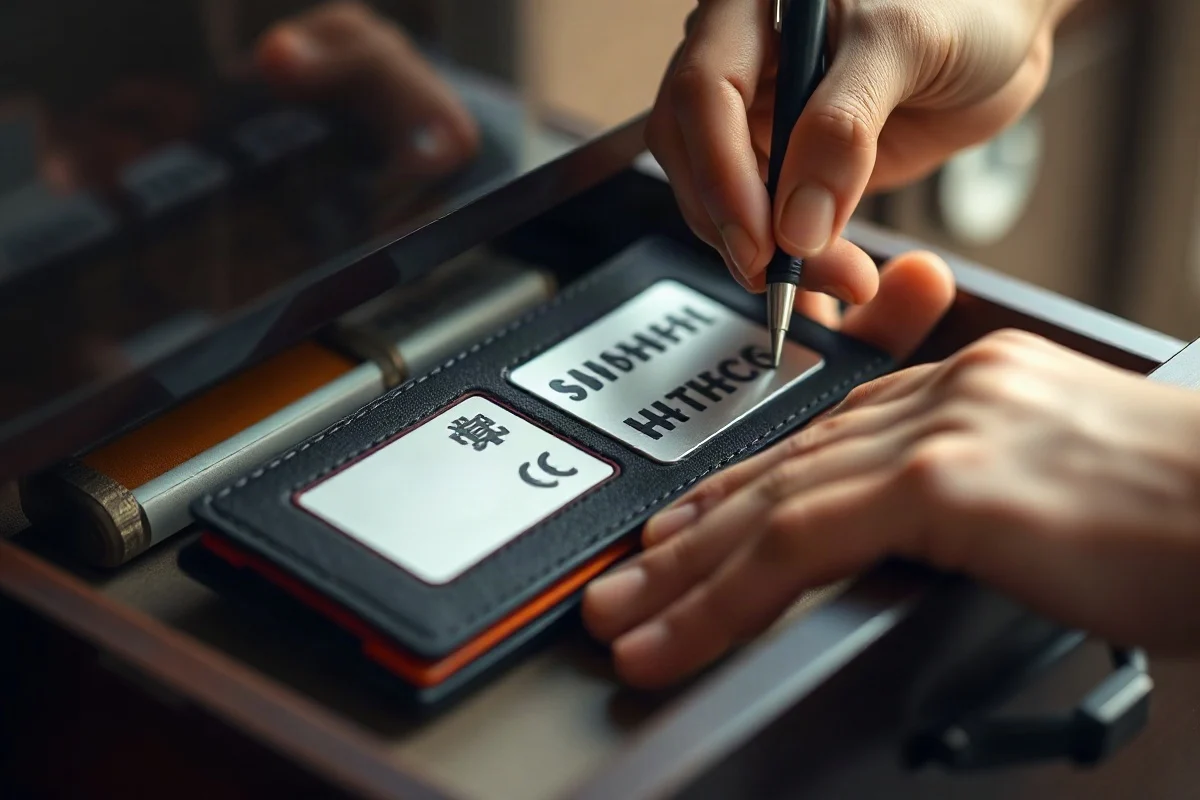
A recovery phrase is the master backup for many crypto wallets. Learn how it works, why it must stay private, and how to store it safely.

Learn how to verify a crypto wallet address, confirm the correct network, avoid clipboard malware and address poisoning, and reduce the risk of irreversible mistakes.
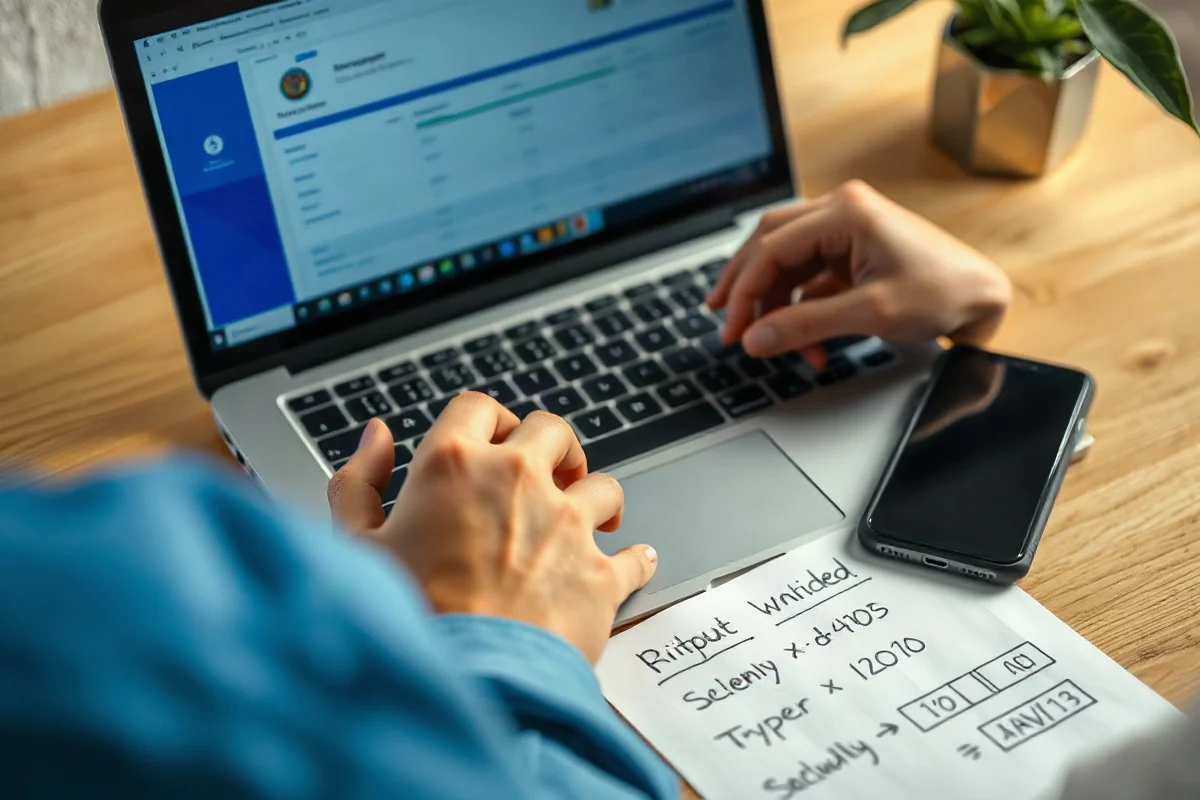
Network fees can materially reduce the amount of crypto that arrives in your wallet. Learn how fees work, how to estimate the true cost, and how to avoid common transfer mistakes.
Self-custody gives users direct control over their wallet credentials, but that control comes with responsibility. Losing a recovery phrase, exposing it to a scammer, or approving a malicious transaction can create serious problems. Hardware wallets, software wallets, and exchange-held wallets each involve different tradeoffs involving accessibility, device dependence, custody, and security practices. No wallet type eliminates every risk, so a thoughtful setup should match your experience, transaction needs, and tolerance for managing your own safeguards.
Safe transfers require more than copying and pasting an address. Before sending crypto, confirm the destination address, supported network, asset type, and amount. Some blockchains use similar-looking addresses or require a specific network selection, and an incorrect choice may make recovery difficult or impossible. A small test transaction can be useful in appropriate situations, although it still requires checking the details carefully. Avoid relying on screenshots, unfamiliar messages, or urgent instructions when verifying where funds should go.
Network fees are another practical consideration when moving crypto. A fee estimate can help you understand the cost of a transfer, compare the value being sent with the transaction expense, and decide whether timing matters. Calculator tools may also help estimate potential profit, return on investment, dollar-cost averaging outcomes, or currency conversions, but their results depend on the numbers entered and the assumptions used. They cannot confirm a transaction, predict network congestion, or guarantee an investment result.
Security also includes protecting the devices and accounts connected to a wallet. Use strong, unique passwords where applicable, enable available authentication controls, keep software updated, and review wallet permissions carefully. Be cautious with unsolicited support messages, fake wallet websites, phishing links, and requests to share a recovery phrase. A legitimate-looking interface does not prove that a transaction or approval request is safe, so pause and verify details through trusted channels before signing anything.
The educational resources in Wallets & Security are designed to support better decisions without replacing personal research or professional advice. They can help you compare custodial and personal wallet arrangements, understand recovery phrases, review transfer steps, and think through the risks of storing or moving digital assets. Keep records of your own setup securely, learn how your chosen network works, and reassess your process as your crypto activity changes. Careful verification and realistic expectations are among the most useful safeguards in digital asset management.