How to Calculate Crypto Mining Profit After Electricity Costs
Learn how to estimate crypto mining profit after electricity, pool fees, hardware costs, maintenance, and changing network conditions.
Crypto mining turns computing power into a potential source of digital asset rewards, but understanding the economics requires more than looking at gross revenue. Mining profitability depends on factors such as hardware performance, electricity consumption, power rates, network difficulty, block rewards, pool arrangements, equipment costs, and the market value of the mined cryptocurrency. This category explains how to evaluate those variables and use mining calculators to build a clearer estimate of potential results.
Mining revenue and mining profit are not the same thing. Revenue generally describes the value of rewards earned before expenses, while profit accounts for operating costs and other outlays. A useful estimate may include daily power consumption, electricity pricing, cooling needs, maintenance, pool fees, hardware depreciation, and downtime. Separating these inputs helps readers avoid confusing a positive reward estimate with a positive business outcome.
Find the closest guide without leaving this category.
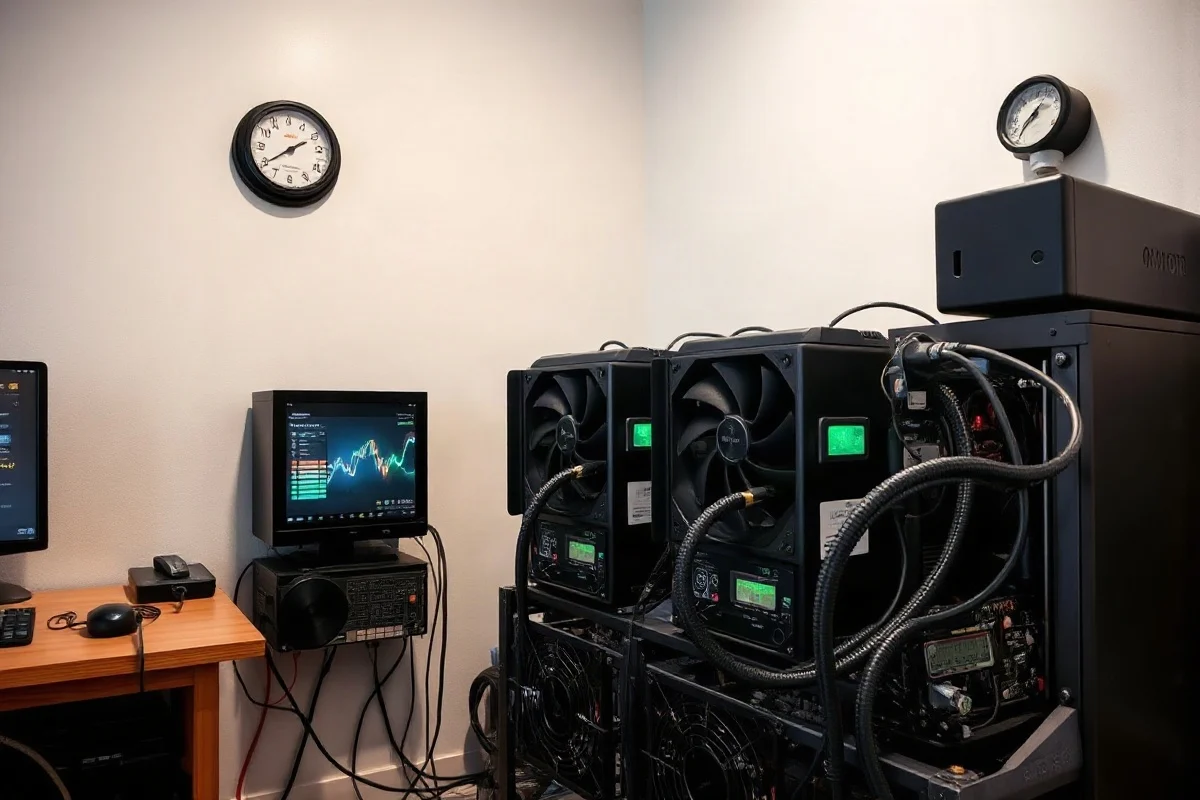
Learn how to estimate crypto mining profit after electricity, pool fees, hardware costs, maintenance, and changing network conditions.
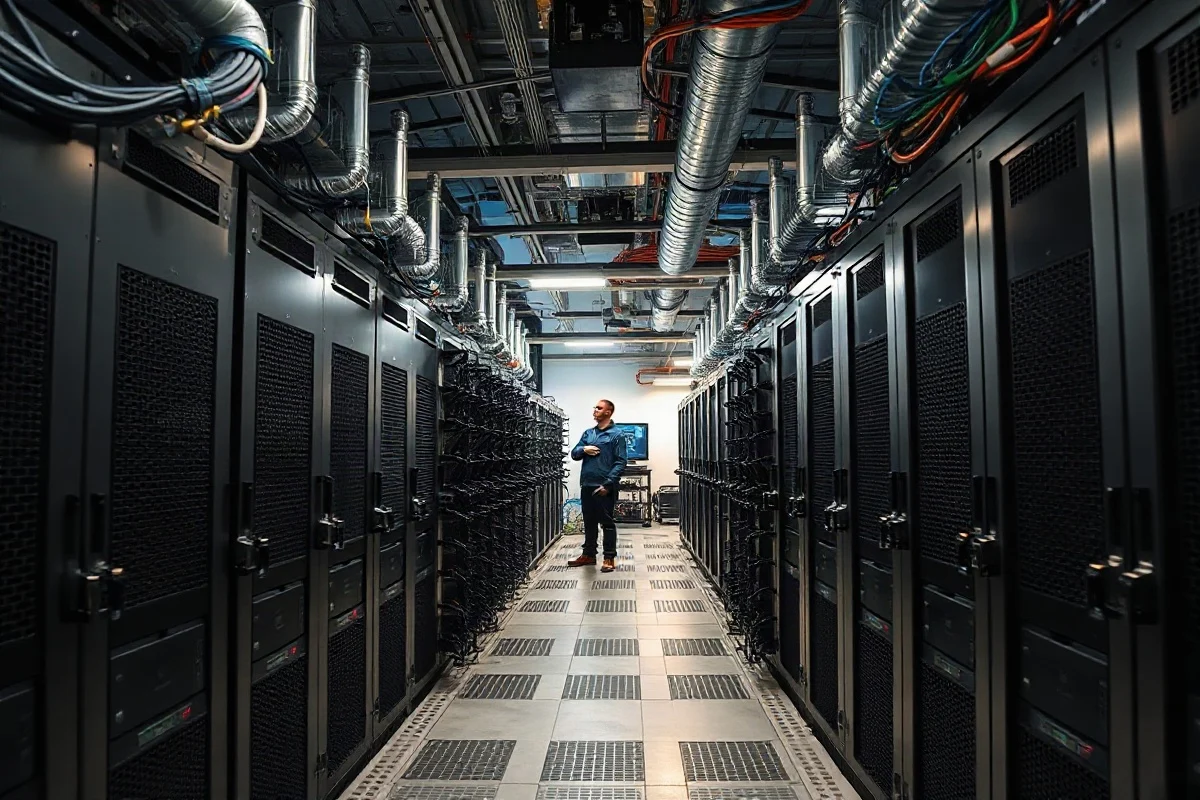
Bitcoin mining is profitable only when the value of earned Bitcoin exceeds electricity, hardware, cooling, pool, maintenance, financing, and other operating costs.
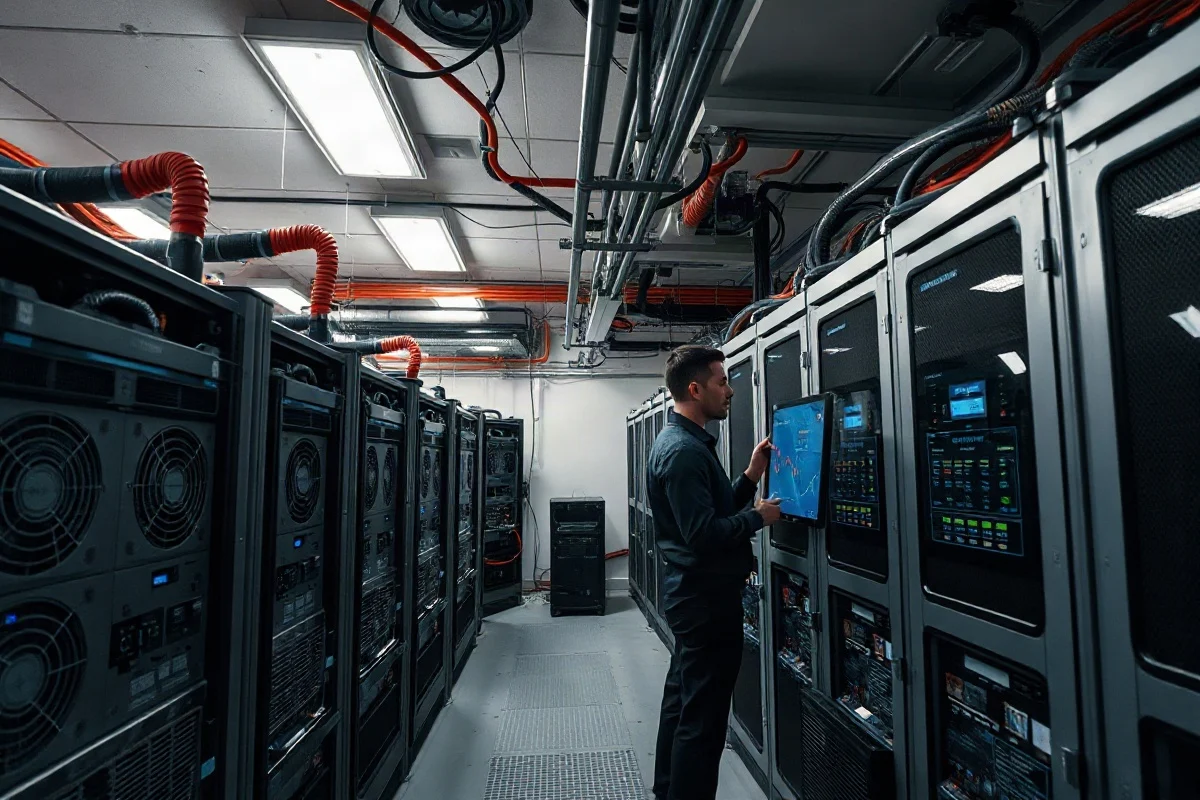
Learn what hash rate measures, how it influences mining revenue, and why electricity costs, network difficulty, fees, and coin prices matter just as much.
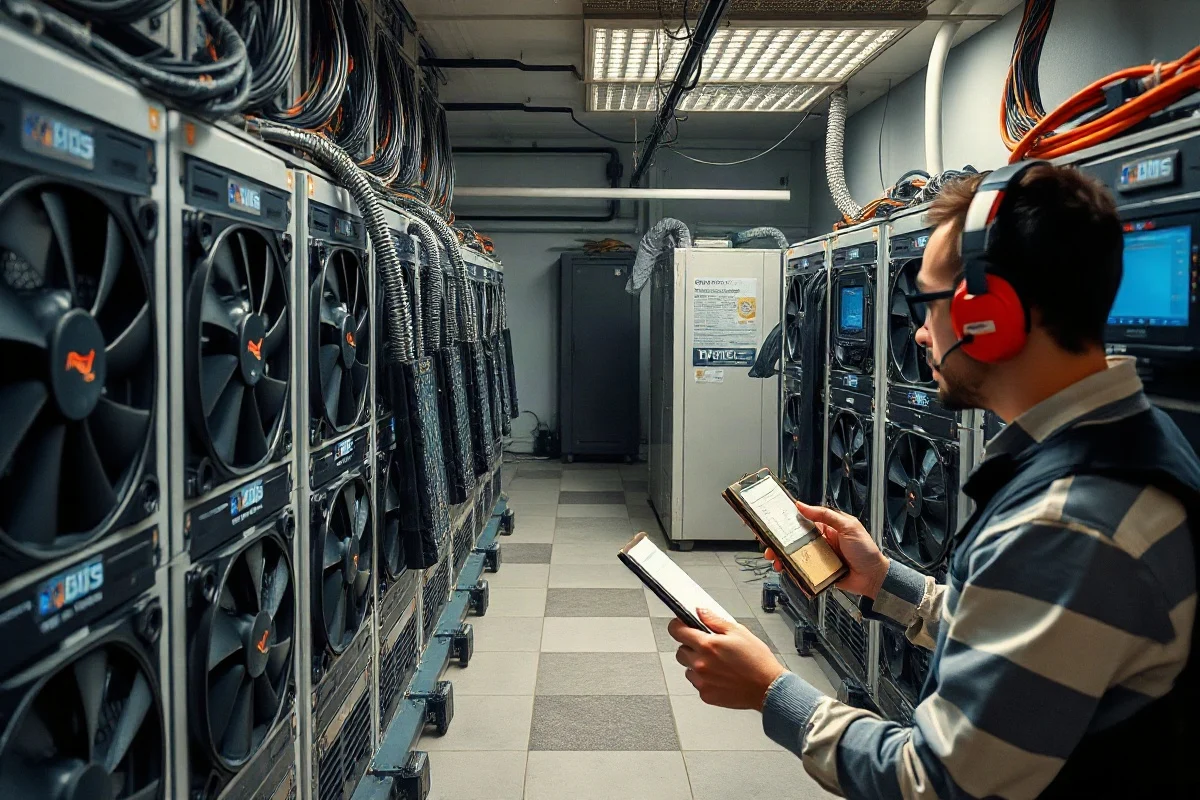
Electricity is often the largest recurring cost in crypto mining. Learn how to calculate power expenses, estimate break-even conditions, and stress-test mining returns when energy prices change.

Learn how to estimate mining revenue, subtract electricity and operating costs, and calculate whether a mining setup produces a profit or loss.
Learn how falling crypto prices affect mining revenue, operating costs, breakeven points, cash flow, and the decision to keep or shut down equipment.
Daily mining income depends on coin price, block rewards, network difficulty, hardware efficiency, electricity costs, pool fees, and downtime. Learn how to estimate gross revenue and net profit without relying on unrealistic promises.

Bitcoin halvings reduce the block subsidy, forcing miners to reassess revenue, electricity costs, hardware efficiency, financing, and operational risk.
Mining revenue is the value of coins earned before expenses. Mining profit is what remains after electricity, hardware, pool fees, maintenance, and other costs are deducted.
Learn how to calculate mining rig ROI by combining hardware costs, electricity, revenue, pool fees, maintenance, downtime, and changing network conditions.
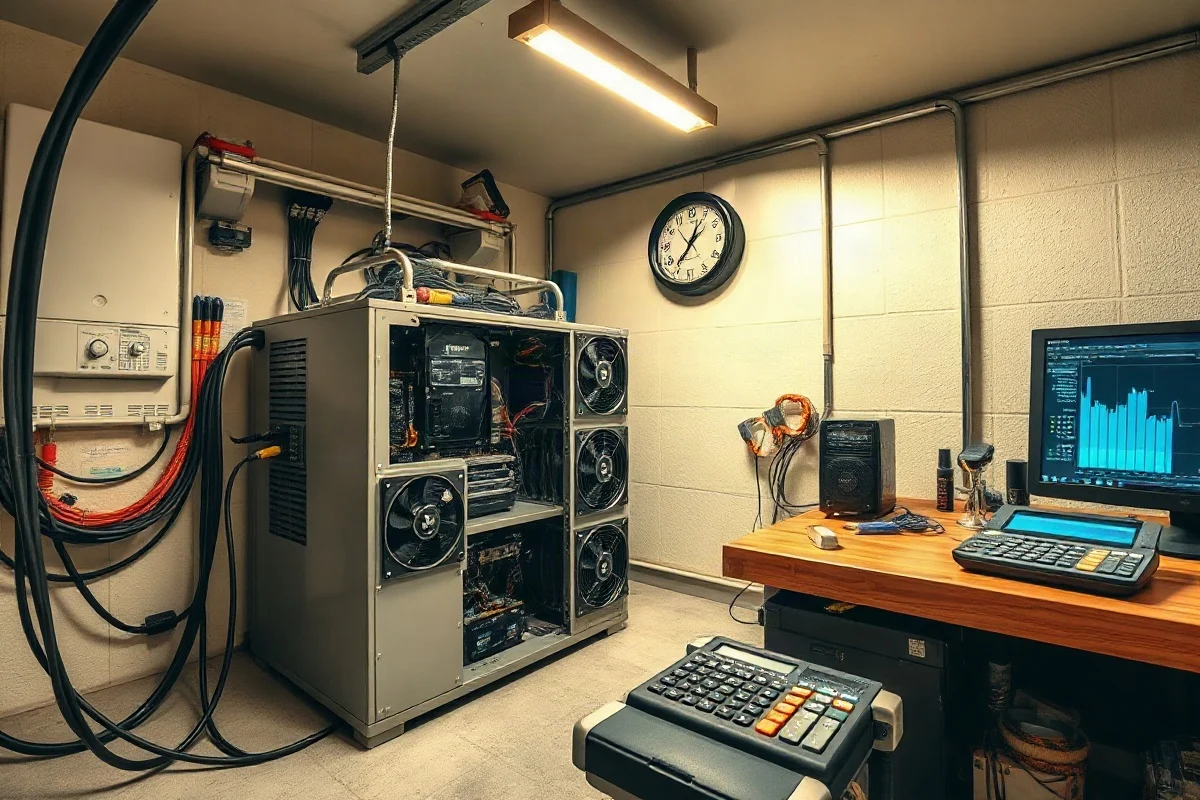
Learn how to estimate ASIC mining payback with realistic assumptions for hardware, electricity, network conditions, pool fees, maintenance, and changing coin prices.

Mining difficulty changes how much computational work is required to earn block rewards. Learn how it affects daily output, profitability, and mining decisions.
A crypto mining calculator can help compare scenarios without pretending to predict the future. You may use one to estimate daily or monthly rewards, test different electricity rates, compare mining rigs, or see how changes in coin price and network difficulty affect the result. Calculators are also useful for examining break-even points, approximate payback periods, and return on investment for hardware purchases. These outputs are planning tools rather than promises of income.
The cost of electricity is often one of the most important inputs in a mining estimate. A rig that appears productive in a low-cost power environment may be uneconomical where electricity is more expensive. Hardware efficiency matters as well: two machines with different processing power and energy consumption can produce very different results. Cooling, ventilation, noise, available space, and local operating conditions can also influence whether a setup is practical for a home or facility.
Network difficulty and competition can change the amount of cryptocurrency a miner earns over time. As more computing power joins a network, the expected share of rewards may decline, even when the equipment continues operating normally. Block reward changes, including scheduled halving events on some networks, can further affect mining economics. Because these conditions are variable, a single calculator result should be treated as an estimate based on selected assumptions, not a fixed forecast.
Evaluating a mining rig also involves separating one-time and recurring expenses. Hardware, power supplies, network equipment, repairs, hosting, and installation may affect the initial investment, while electricity and maintenance can continue throughout the equipment’s useful life. A payback calculation should account for possible downtime, changing reward rates, fluctuating asset prices, and the possibility that hardware becomes less competitive. Comparing several conservative and optimistic scenarios can provide more useful context than relying on one number.
The guides in this category are designed to make mining calculations easier to understand, from estimating how much crypto a miner may earn per day to examining whether an ASIC purchase could make sense under specific assumptions. They explain the terminology behind mining rewards, profitability, ROI, difficulty, and payback so you can review calculator inputs critically. Use the information for education and scenario analysis, verify current network and operating data independently, and remember that mining involves technical, market, and financial uncertainty.