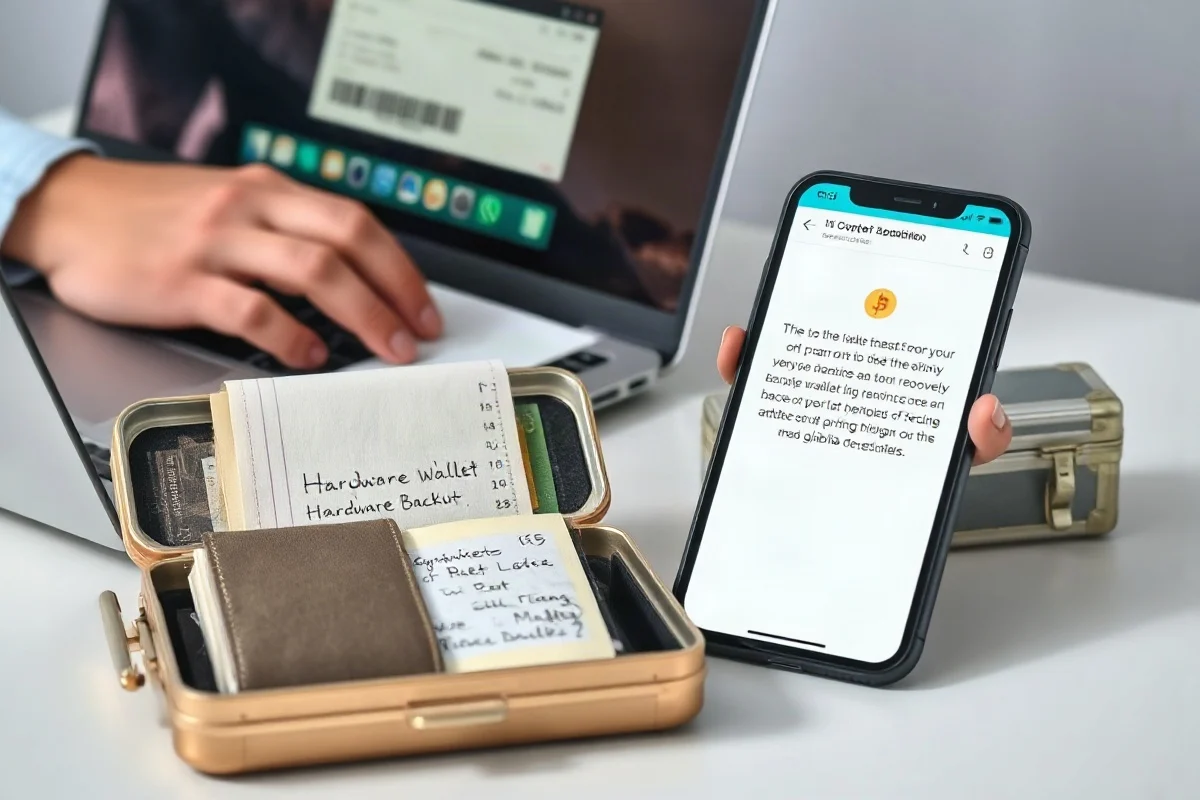
The most common crypto wallet security mistakes are exposing a recovery phrase, approving the wrong transaction, using weak account security, downloading fake wallet software, and failing to verify addresses and networks. Avoiding these errors requires more than choosing a reputable wallet: you must protect the credentials that control your assets, verify every transaction, and prepare for device loss or compromise. This guide explains practical habits that can reduce avoidable risks without promising that any wallet is completely secure.
1. Sharing or Digitally Storing Your Recovery Phrase
A recovery phrase, sometimes called a seed phrase, is a set of words that can restore access to a wallet. Anyone who obtains it may be able to control the assets associated with that wallet. A legitimate wallet provider, exchange employee, support agent, or blockchain project should not need you to send the phrase by email, chat, form, or direct message.
One of the most dangerous mistakes is storing the phrase in a screenshot, cloud drive, email account, password manager, or unencrypted text file. If an attacker gains access to one of those services, the recovery phrase may be exposed even if your wallet application uses a strong password.
Safer recovery-phrase practices
- Write the phrase down carefully and check each word against the wallet's instructions.
- Store it offline in a private, physically secure location.
- Do not photograph it or copy it into a website, messaging app, or computer file.
- Never share it with anyone, including someone claiming to provide technical support.
- Consider whether a durable backup method is appropriate for your circumstances, while understanding that physical storage can create its own risks.
Be careful with any person or service that asks you to “validate,” “synchronize,” or “upgrade” a wallet by entering the recovery phrase. These requests are common signs of phishing.
2. Confusing a Wallet Password With a Recovery Phrase
A wallet password and a recovery phrase serve different purposes. A password may unlock a wallet application on a particular device, while the recovery phrase can restore the wallet elsewhere. Changing the application password does not necessarily change the recovery phrase or invalidate copies of it that may already be exposed.
This distinction matters when responding to a suspected compromise. If the recovery phrase may have been seen by another person, changing the app password alone may not be enough. The appropriate response can depend on the wallet type, blockchain, and assets involved. In many cases, users should move remaining assets to a newly created wallet using a secure device, but they should first understand network fees, address formats, and the risk of carrying the compromised wallet forward. This is general security education, not individualized financial advice.
3. Downloading Fake Wallet Apps or Browser Extensions
Criminals often imitate popular wallets with similar names, logos, domains, and app listings. A fake wallet may steal a recovery phrase during setup or redirect users to a malicious website. Search advertisements, social media links, unsolicited messages, and unofficial download pages deserve particular caution.
Download wallet software only from the provider's verified official channels. Before installing, check the domain carefully and look for unexpected spelling changes, extra words, or unusual extensions. For browser extensions, review the publisher information and confirm that the link comes from the wallet provider's official documentation. Keep your operating system, browser, and wallet software updated, but do not install a supposed security update from an unsolicited message.
Hardware wallets can reduce exposure to some online threats, but they do not eliminate phishing, malicious transaction approvals, physical theft, or recovery-phrase compromise. Follow the manufacturer's current instructions and verify the device through official support resources.
4. Approving Transactions Without Reading the Details
Connecting a wallet to a decentralized application does not automatically make every transaction safe. A user may be asked to sign a message, approve token spending, transfer assets, or interact with a smart contract. These actions can have very different consequences.
Before confirming, review the recipient address, asset, amount, network, contract interaction, and any spending allowance. If the wallet displays a warning or cannot clearly explain what is being signed, pause instead of approving immediately. Be especially cautious when a website claims that a transaction is required to unlock a reward, fix an account, or prevent an urgent loss.
Limit unnecessary token approvals
Some token-based applications request permission to spend tokens on your behalf. A broad or unlimited allowance can create additional exposure if the application or contract is compromised. Where supported, consider granting only the amount needed and periodically review and revoke approvals you no longer use. Use a reputable block explorer or wallet feature for this task, and verify that you are interacting with the correct network and contract.
5. Sending Funds to the Wrong Address or Network
Blockchain transfers are often difficult or impossible to reverse. Copy-and-paste malware can replace a copied address with an attacker's address, while a familiar asset may exist on multiple networks with different deposit requirements. Sending funds to an incompatible network, unsupported address format, or incorrect destination can result in permanent loss or require help from a service that may not be able to recover them.
Use a deliberate verification process:
- Confirm the recipient's address through a trusted channel.
- Compare the first and last several characters, and consider checking the complete address when practical.
- Confirm the exact network selected on both the sending and receiving sides.
- Check whether a memo, tag, or other destination field is required.
- Send a small test amount when the situation and fees make that reasonable.
- Keep a record of the transaction hash and destination details.
Network support, fees, confirmation times, and recovery policies can change. Verify current requirements with the receiving platform's official documentation before making a transfer. A crypto fee calculator can help illustrate how network fees affect a transaction, but it cannot guarantee the fee a blockchain or service will charge at the moment you send funds.
6. Relying on One Device, One Backup, or One Account
Security can fail through theft, fire, water damage, hardware failure, malware, or loss of access to an email account. Keeping the only copy of a recovery phrase in one location creates a single point of failure. Keeping every wallet and exchange account on one phone can create another.
Create a recovery plan that considers both unauthorized access and legitimate access after an emergency. Decide who, if anyone, should know that a backup exists, and avoid revealing the recovery words themselves. Test your understanding of the wallet's restoration process without exposing the phrase to an internet-connected device. If you use multiple backups, secure them so that creating redundancy does not make unauthorized access easier.
7. Ignoring Email, Device, and Exchange Security
Wallet security is connected to the security of every account used to buy, sell, transfer, or recover crypto. A compromised email account can allow an attacker to reset passwords or intercept account communications. A phone infected with malware may expose messages, clipboard contents, or wallet activity.
Use a unique, strong password for each important account and enable multi-factor authentication where available. An authenticator app or hardware security key may provide stronger protection than text-message codes, although no method is perfect. Secure your email account first, review active sessions and connected applications, and remove access you no longer recognize.
For exchange accounts, review withdrawal settings, address whitelists, login alerts, and account recovery procedures. These features vary by provider and may change over time, so confirm their current operation in the provider's official help center. Do not assume that funds held on an exchange have the same protections or risks as assets controlled through a self-custody wallet.
8. Falling for Urgency, Giveaways, and “Support” Scams
Scammers try to overcome careful thinking by creating urgency. Common claims include a wallet suspension, a limited-time giveaway, a required verification step, or a promise to return stolen funds. Legitimate organizations do not need your recovery phrase or private key to send funds, troubleshoot a public address, or confirm your identity.
Do not click links from unsolicited messages. Instead, navigate to the official website using a bookmark you created independently or a verified source. Treat guaranteed returns, risk-free rewards, and requests to send crypto first as major warning signs. If you believe you have been scammed, preserve transaction hashes, wallet addresses, messages, and website details. Do not pay another person who promises guaranteed recovery; verify any report or support option through the relevant official service.
9. Mixing Everyday Spending With Long-Term Holdings
Using one wallet for every purpose can increase the consequences of a single mistake. A wallet connected frequently to decentralized applications may face different risks from a wallet used only for storage. Separating funds by purpose can make it easier to limit exposure, review activity, and respond to a suspected compromise.
Some users maintain a small wallet for applications and transfers while keeping other assets in a less frequently connected wallet. The exact setup depends on the user's knowledge, assets, and risk tolerance. More wallets also mean more recovery responsibilities, so separation is useful only when each wallet is documented and maintained securely.
10. Forgetting That Privacy and Security Are Related
Public blockchains can make transaction histories visible. Posting a wallet address alongside your identity, income, holdings, travel plans, or personal information can make targeted scams and unwanted attention easier. Avoid sharing more information than necessary, and understand that blockchain addresses may be linked through transaction patterns.
Privacy tools and practices can have technical, legal, and compliance implications that vary by location and service. Verify current information from primary sources before using any privacy feature, bridge, mixer, or cross-chain service. Do not assume that a transaction is private simply because it uses a different wallet address.
A Practical Wallet Security Checklist
Use this checklist whenever you create a wallet, connect to an application, or prepare a transfer:
- Confirm that the wallet software and website came from an official source.
- Protect the recovery phrase offline and never share it.
- Use a unique password and stronger available account protections.
- Verify the application domain, contract, address, network, amount, and memo requirements.
- Review token approvals and remove permissions that are no longer needed.
- Keep devices updated and avoid installing software from unsolicited links.
- Maintain a secure recovery plan for device loss or damage.
- Record transactions and investigate unexpected wallet activity promptly.
How Calculators Fit Into Safer Crypto Decisions
Calculators cannot secure a wallet, reverse a mistaken transfer, or predict market outcomes. They can, however, help you examine assumptions before committing funds. For example, a fee calculation can show how a network charge affects the amount received, while a DCA calculation can illustrate how recurring purchases change an average cost basis under hypothetical inputs. A Crypto DCA Calculator and Crypto Profit Calculator are educational tools: outputs depend on the prices, fees, dates, and other assumptions entered, and they are not predictions or personalized investment advice.
Before using any result, verify current prices, network fees, exchange terms, tax information, and regulatory requirements with relevant primary sources. These details are time-sensitive and may differ by jurisdiction or provider.
Final Takeaway
Strong wallet security is mostly a process of slowing down, verifying details, and protecting recovery credentials. Never share a recovery phrase or private key, treat unsolicited support as suspicious, inspect transactions before signing, and prepare for both technical failure and human error. No storage method removes every risk, but consistent habits can reduce the chance that a phishing message, fake application, wrong address, or compromised device becomes an irreversible loss.

Comments
0No comments yet. Be the first to share a helpful note or question.
Leave a Comment
Your email address will not be published. Comments are reviewed before appearing on the site.