
Self-custody in crypto means holding and controlling your own wallet credentials, especially the private keys or recovery phrase that authorize transactions. Instead of leaving assets in an exchange account or with another custodian, you use a wallet where you are responsible for access, security, backups, and transaction approval. Self-custody can reduce dependence on a third party, but it also removes many recovery options: if you lose the required credentials or expose them to someone else, your assets may be difficult or impossible to recover.
How self-custody works
A crypto wallet does not usually store coins in the same way a physical wallet stores cash. Crypto assets are recorded on a blockchain. The wallet manages the credentials that let you prove control of a blockchain address and authorize transactions.
Those credentials generally include a public address and a private key. You can share a public address to receive assets, much like sharing an account number. A private key is used to sign transactions and should remain confidential. Many consumer wallets protect private keys through a recovery phrase, sometimes called a seed phrase. This phrase can recreate access to the wallet, so anyone who obtains it may be able to control the associated assets.
With self-custody, the wallet provider may supply software or hardware, but it should not have the ability to move your funds without your authorization. The exact design varies by wallet, blockchain, and account type. Before transferring meaningful funds, read the wallet’s documentation and verify whether it is truly non-custodial.
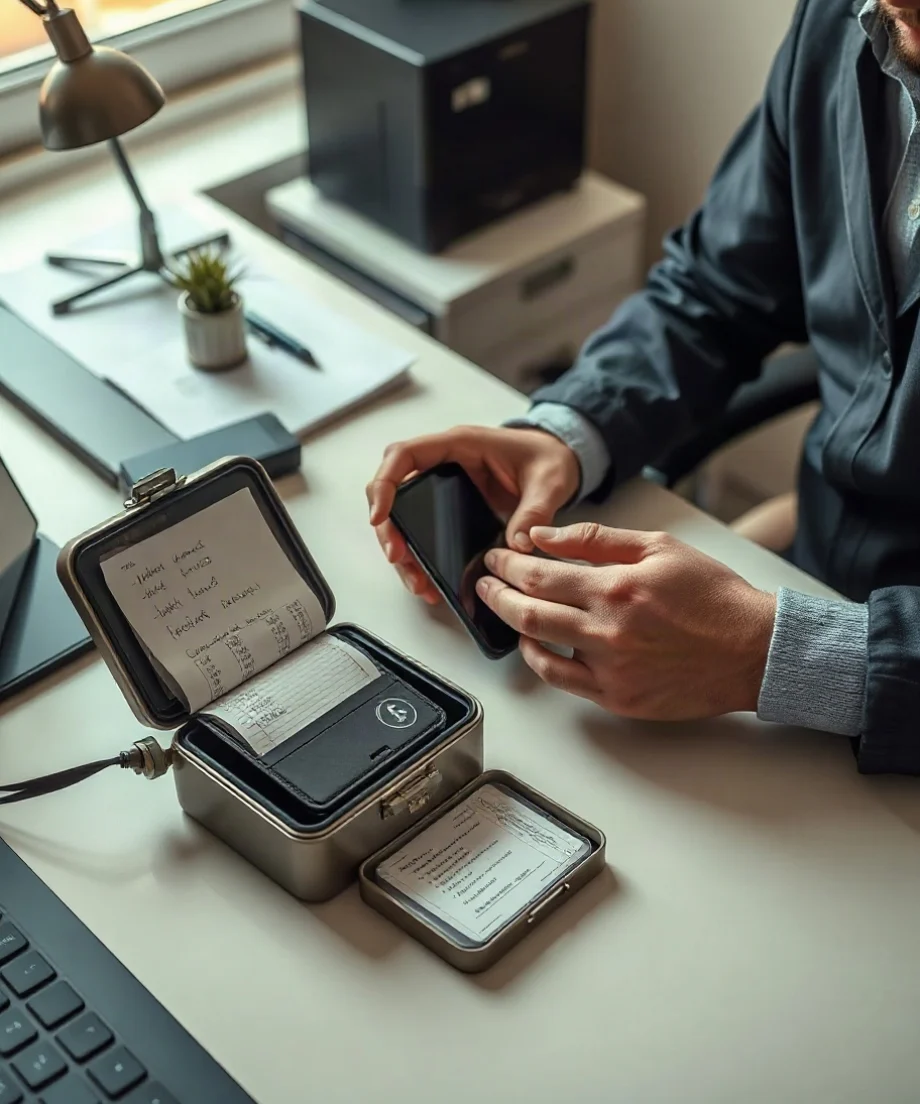
Self-custody versus custodial storage
Custodial accounts
In a custodial arrangement, an exchange, platform, or other service controls the private keys on your behalf. You typically access the account with an email address, password, and additional security measures. This can be convenient and may provide account recovery processes, customer support, trading tools, or integrated payment features.
However, the assets may be subject to the custodian’s security practices, operational decisions, account policies, withdrawal procedures, and financial condition. A platform may also pause withdrawals, restrict access, or experience a security incident. The specific risks depend on the provider and can change over time. Review current terms, security disclosures, and applicable information from the provider rather than assuming that any platform offers the same protections as a bank account.
Self-custody wallets
In self-custody, you control the signing credentials. A software wallet may run on a phone, computer, or browser. A hardware wallet usually stores or protects signing credentials on a dedicated device and may require physical confirmation for transactions. Both types require careful setup and safe handling.
Self-custody does not make a blockchain transaction reversible, and it does not eliminate phishing, malware, fraudulent applications, or network risks. It changes who is responsible for protecting access. The trade-off is simple to state but important to understand: you gain direct control while taking on direct responsibility.
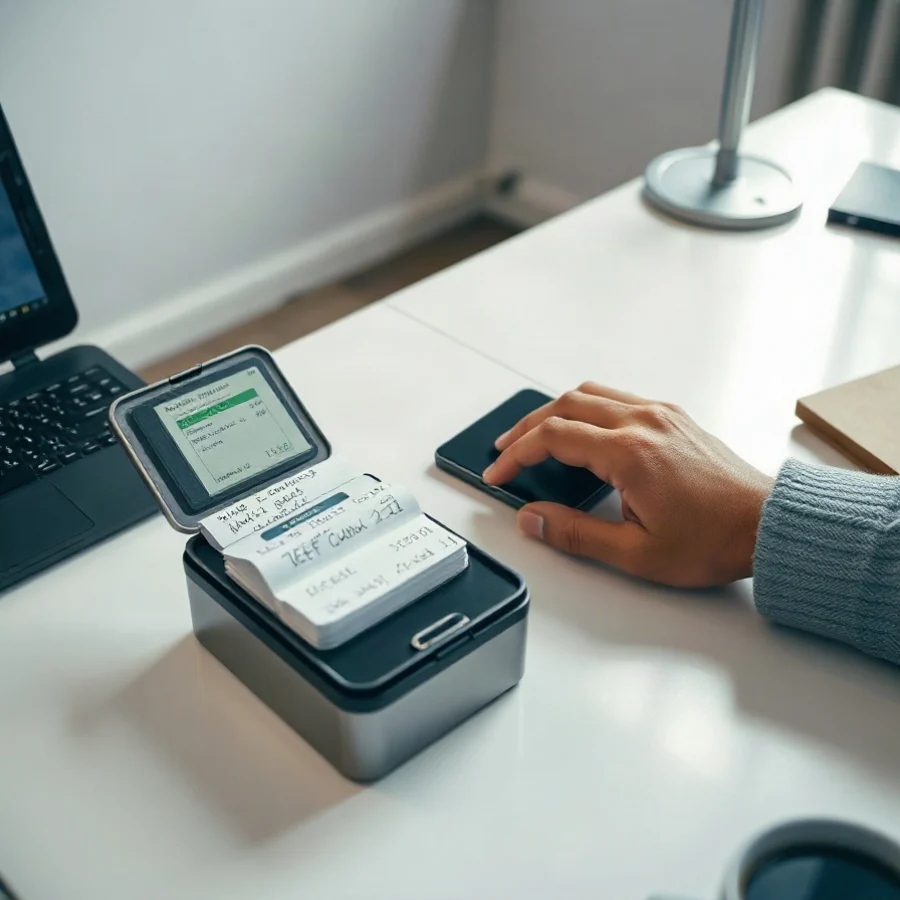
What self-custody protects against
Self-custody can reduce exposure to certain third-party risks. For example, you do not need to rely on an exchange retaining access to your assets or processing every withdrawal request. You can generally initiate transactions directly from your wallet, subject to the rules and availability of the relevant blockchain network.
It may also provide clearer control over on-chain assets, including tokens or non-fungible assets supported by the wallet and network. That does not mean every wallet can display or manage every asset safely. Compatibility should be confirmed before sending funds, because sending an asset to an unsupported network or address can create a loss.
Self-custody is not the same as anonymity, insurance, or protection from market losses. Blockchain activity may be publicly visible, depending on the network. The value of an asset can change substantially, and a wallet cannot prevent price volatility. Security controls protect access; they do not guarantee an investment outcome.
The main risks of self-custody
Loss of the recovery phrase
If your wallet depends on a recovery phrase and you lose every usable copy, the wallet provider may not be able to restore access. Unlike a typical online account, there may be no central password-reset process. A backup should be created during setup and stored in a secure, durable location that is protected from unauthorized access and environmental damage.
Exposure of private credentials
Anyone who obtains your recovery phrase or private key may be able to move assets without asking you. Never enter a recovery phrase into a website, form, chat, or message because someone claims that support requires it. Legitimate support should not need the phrase to verify ownership. Be particularly cautious of screenshots, cloud notes, email drafts, and unencrypted files that can be copied or compromised.
Phishing and malicious transactions
Attackers may create imitation wallet apps, fake support accounts, fraudulent airdrops, or websites that request a signature. A transaction can be dangerous even when it does not ask for your recovery phrase. Signing may authorize a transfer, approve a token contract to spend assets, or interact with a malicious smart contract.
Check the website address, application source, recipient address, network, transaction details, and requested permissions before approving anything. If you do not understand a request, stop and research it through reliable, independent sources.
Device and operational failures
A lost phone, damaged hardware wallet, forgotten PIN, compromised computer, or incorrect backup can interrupt access. Hardware wallets can reduce some online exposure, but they still require secure setup and careful verification. A hardware device is not a replacement for a recovery plan.
How to set up self-custody more safely
- Choose a wallet carefully. Research the official wallet website, supported networks, recovery process, update practices, and community reputation. Download software only from verified sources and be alert for lookalike applications.
- Initialize the wallet privately. Create or display the recovery phrase in a private environment. Do not photograph it or allow cameras, screen-sharing tools, or other people to observe it.
- Write down the backup accurately. Use the method recommended by the wallet documentation. Confirm the order and spelling, and consider a durable backup medium if appropriate for your circumstances.
- Store backups separately from daily devices. Keep the recovery information away from casual access, unauthorized visitors, and single points of failure. Avoid storing the only copy online.
- Test with a small amount. Before moving a larger balance, send a small test transaction to confirm the address, network, and receiving wallet. Account for network fees, which are time-sensitive and can vary by blockchain conditions.
- Verify every transaction. Compare the destination address and network on the wallet screen, not only on a potentially compromised computer display. On hardware wallets, confirm the details shown on the device itself when available.
- Plan for recovery. Decide how you would regain access after device loss and how a trusted person could handle the backup if you become unavailable. Do not disclose sensitive credentials casually, and consider professional estate-planning advice for significant holdings.
What about multisignature wallets?
Some self-custody arrangements use multisignature, or multisig, authorization. Instead of one key being enough to approve a transaction, the wallet may require a specified number of keys. For example, a setup could require two approvals from a group of three keys. The exact configuration is a technical and security decision, not a universal standard.
Multisig can reduce the impact of one lost or compromised key, but it introduces additional setup, coordination, and recovery requirements. Participants must understand which devices and credentials are needed, how addresses are verified, and what happens if one key becomes unavailable. It is useful to treat multisig as an operational system rather than a simple feature that automatically solves security problems.
Self-custody and crypto calculations
Wallet control and investment performance are separate issues. A wallet can show a balance, but its displayed value may depend on a price feed that changes continuously. To estimate a position’s value, a basic formula is:
Estimated value = asset quantity × current price
For a profit or loss estimate, a simplified formula is:
Profit or loss = current value − total cost basis − transaction costs
This example assumes that the asset quantity, acquisition costs, transaction costs, and current price are known and that taxes are not included. Actual results may differ because of spreads, network fees, trading fees, transfers, timing, and applicable tax treatment. Prices, fees, and tax rules can change, so verify current figures with the relevant exchange, blockchain data source, and qualified tax professional when necessary. You can use the Crypto Profit Calculator for educational estimates, but a calculator cannot verify ownership or recover lost credentials.
Common self-custody mistakes
- Sharing a recovery phrase with someone claiming to be customer support.
- Keeping the only backup in a phone, cloud account, or password manager without understanding its security model.
- Sending assets over the wrong network because the asset name appears identical across networks.
- Approving a contract or signature without reading what it authorizes.
- Using an unverified wallet download or browser extension.
- Assuming a wallet balance proves that every displayed token is legitimate or safe to interact with.
- Moving a large amount before completing a small test transaction.
- Failing to document recovery instructions for a future emergency.
Is self-custody right for everyone?
There is no universally correct storage method. Self-custody may suit people who understand wallet security, can maintain reliable backups, and value direct control. A custodial service may be more convenient for someone who is not prepared to manage private keys, although that choice carries its own platform and counterparty risks.
Some users divide responsibilities by keeping only a limited spending balance in a software wallet and using a separate setup for longer-term storage. The right arrangement depends on the person’s technical ability, security environment, transaction needs, and tolerance for different risks. Avoid choosing a method solely because it is marketed as safer or more advanced.
Key takeaway
Self-custody means you control the credentials that authorize your crypto transactions. It can reduce dependence on an intermediary, but you become responsible for backups, device security, transaction verification, and recovery planning. Start with a small amount, learn how the wallet works, verify every request, and treat your recovery phrase as the most sensitive credential in the system. For broader wallet and security education, visit Wallets & Security at Crypto Profit Calculators.


Comments
0No comments yet. Be the first to share a helpful note or question.
Leave a Comment
Your email address will not be published. Comments are reviewed before appearing on the site.